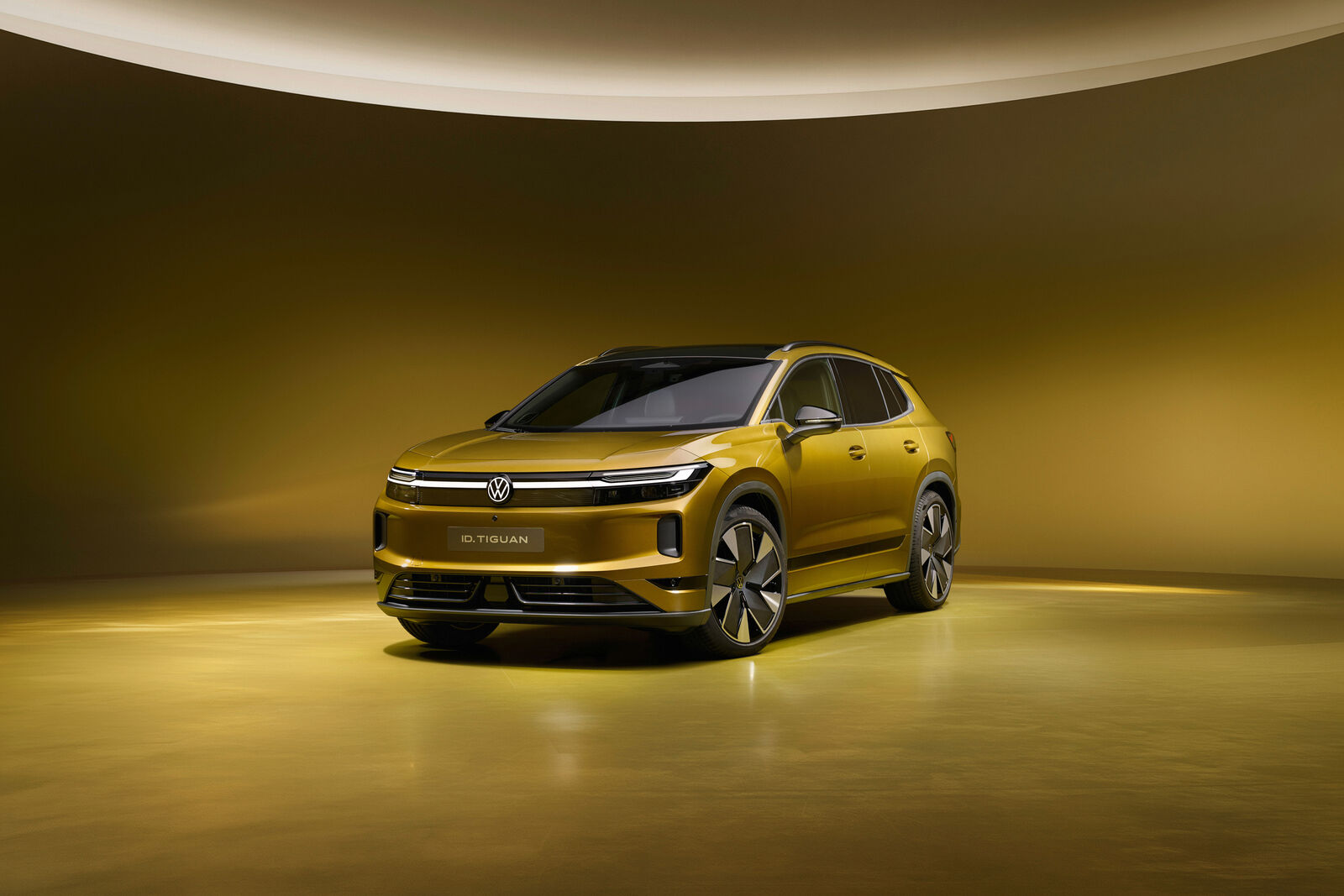
Volkswagen is giving its electric family SUV a familiar name. Revealed on 9 October 2026, the ID. Tiguan succeeds the ID.4 and ID.5 in the European range, bringing a new exterior and a substantially redesigned cabin. Its most useful changes may be less spectacular than the dashboard screens: physical controls return to the steering wheel and climate panel.
The reveal is complete; the market launch is planned for early 2027. The electric model will be sold alongside the petrol, diesel and hybrid Tiguan. This overview uses Volkswagen’s launch specifications and 17 official press photographs; it is not a road test. Volkswagen launch announcement.
One familiar name replaces two ID. badges
The new badge consolidates two electric SUV models into one successor. It should not be read as a claim that every ID.4 or ID.5 disappears from dealer stock immediately, or that every global market changes over on the same date. Volkswagen reports more than 950,000 ID.4 and ID.5 vehicles built, while the Tiguan name has accounted for more than 8.3 million vehicles since 2007. For Europe, the electric ID. Tiguan will be made in Emden; the combustion and hybrid Tiguan comes from Wolfsburg. Volkswagen press kit.
A more upright visual character
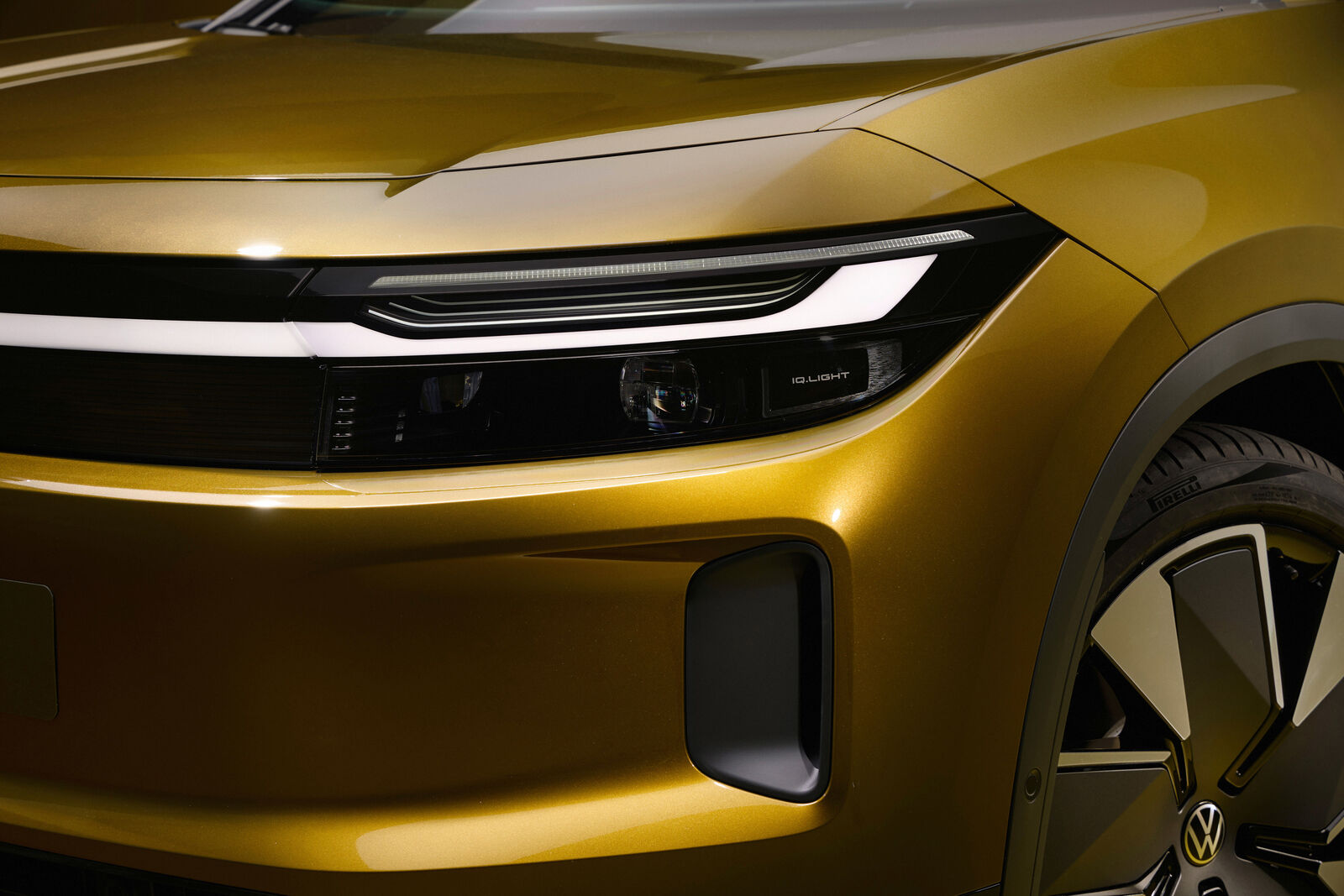
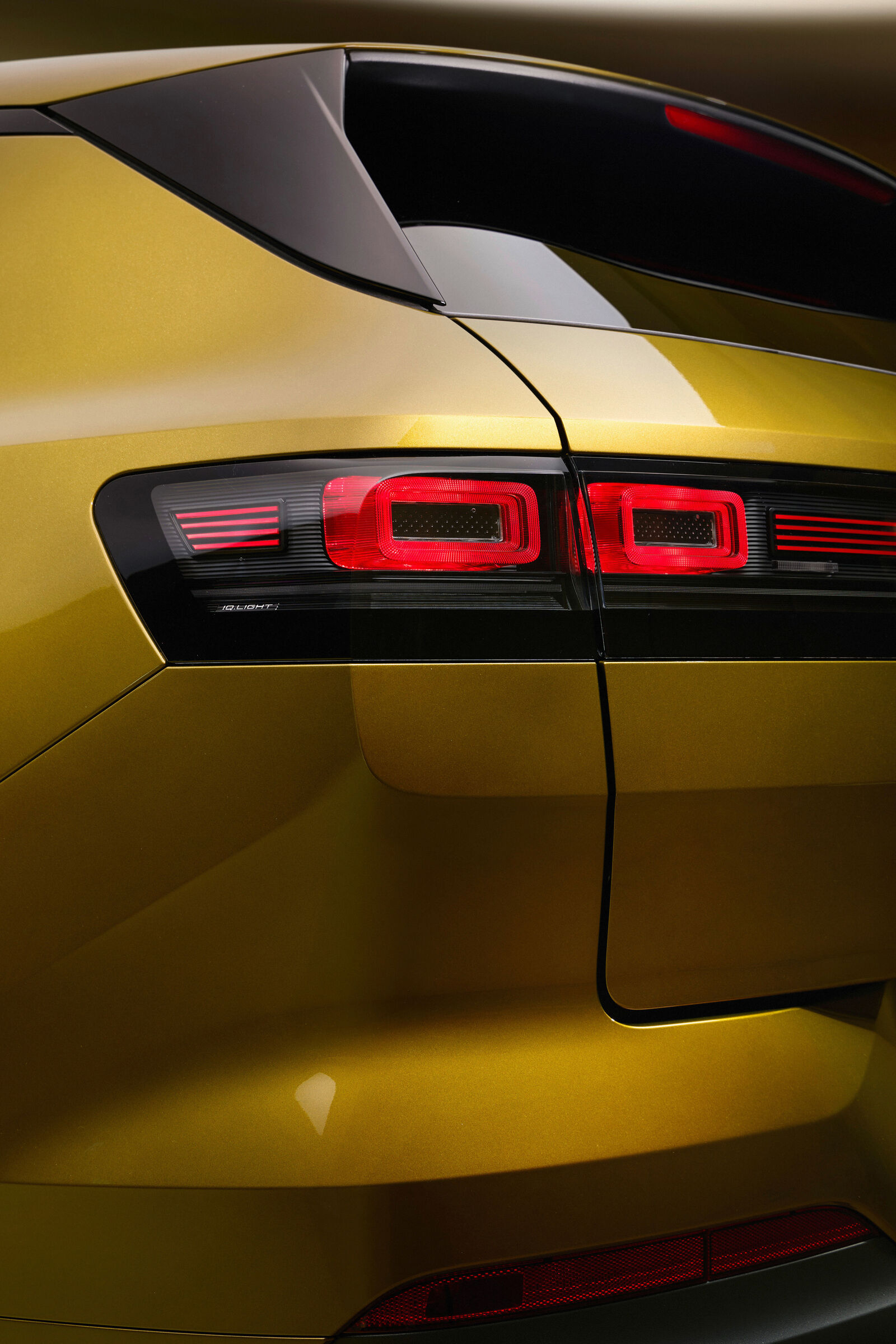
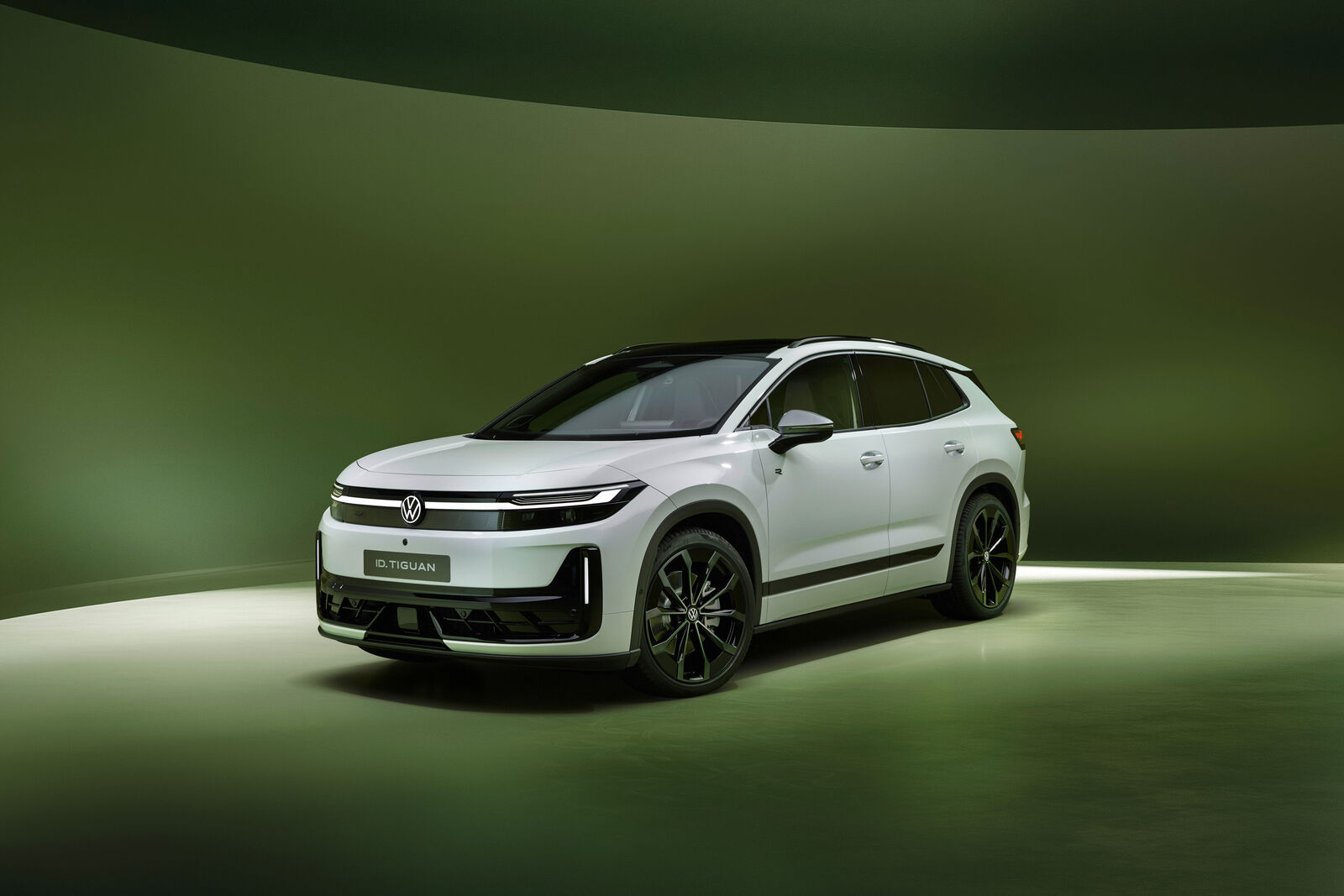
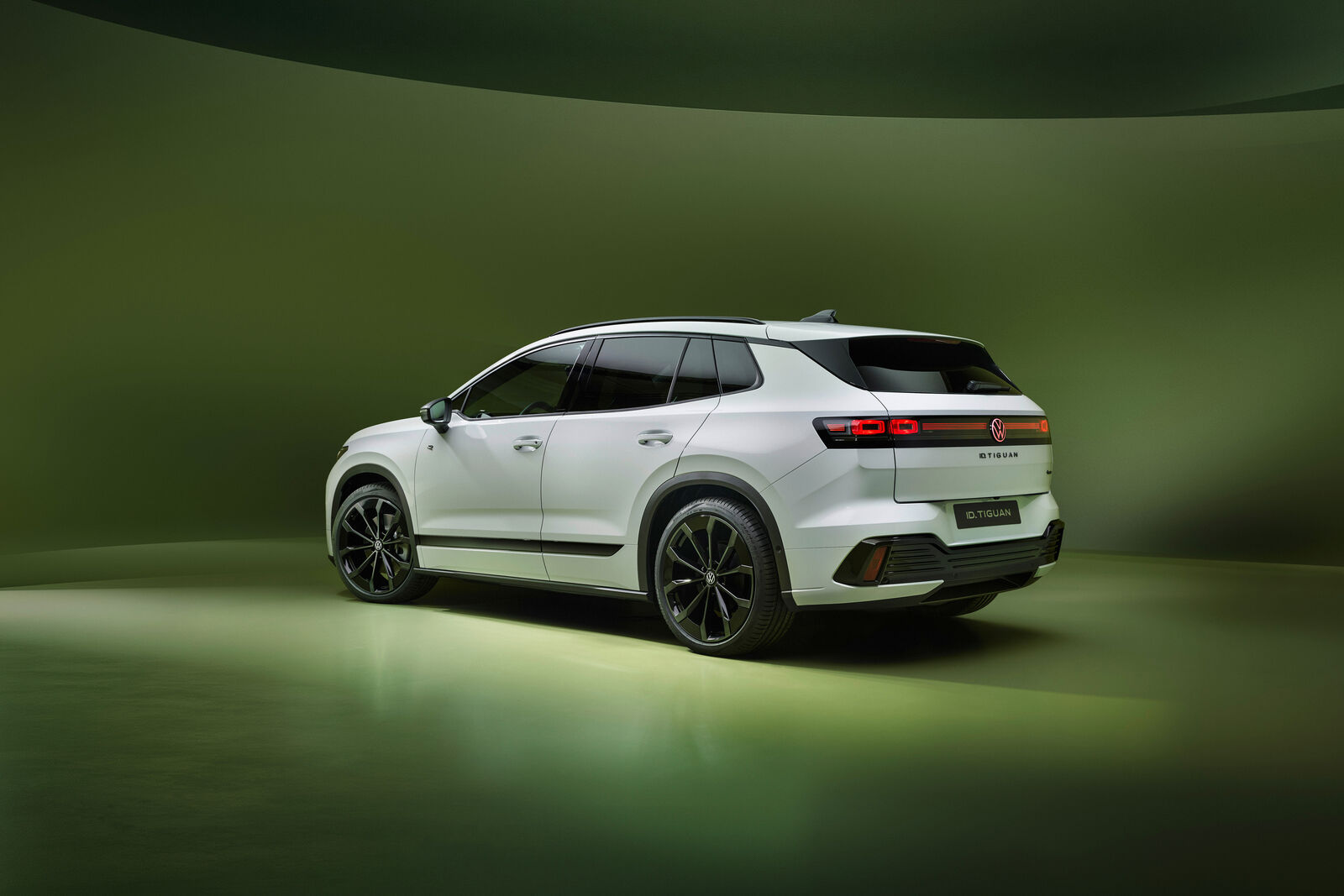
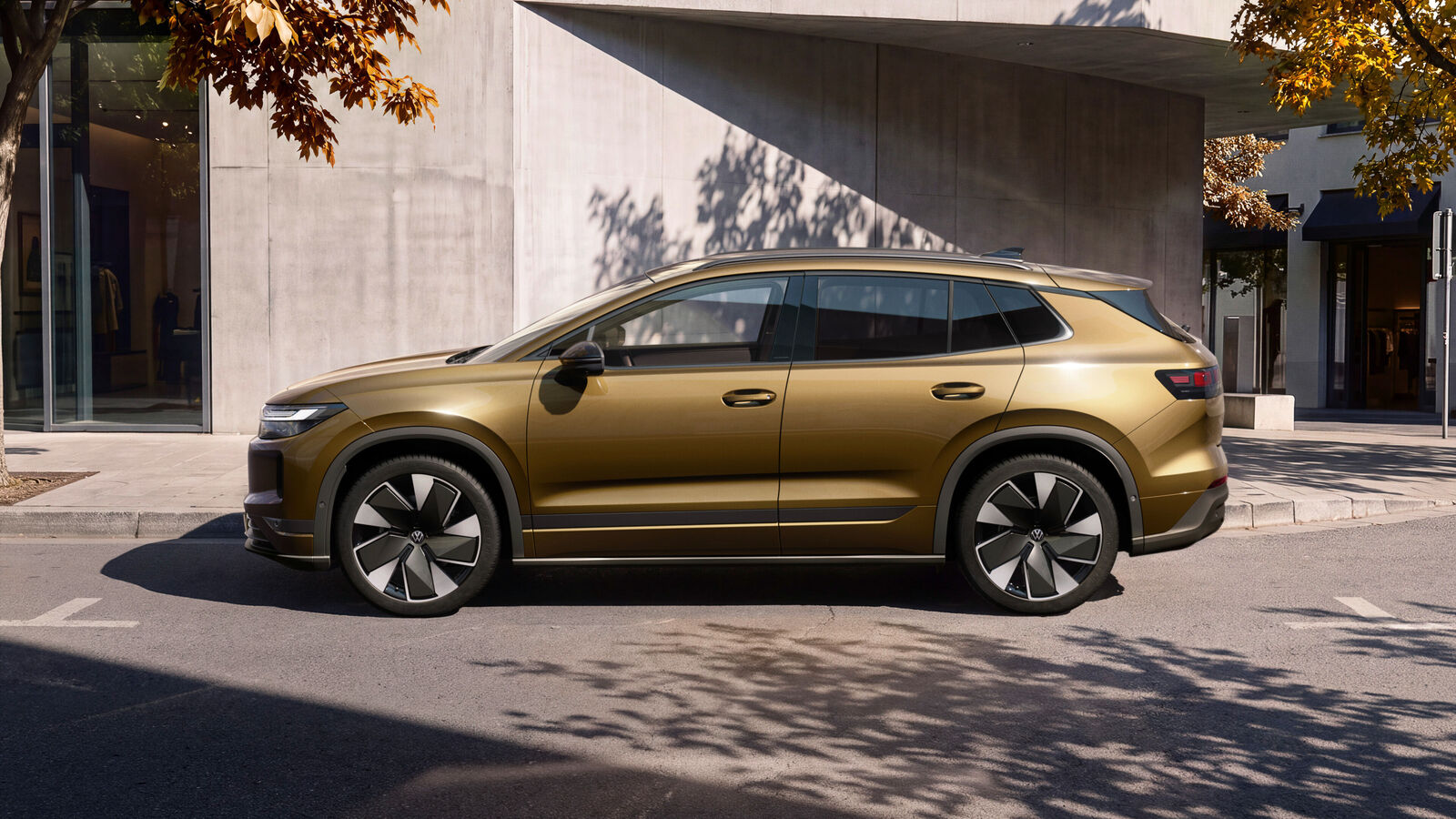
The photographs show straighter body lines, stronger horizontal detailing and a more substantial-looking nose. The visual emphasis shifts towards a conventional family SUV. Front and rear lighting reinforces the horizontal layout, although the illuminated elements depend on trim. Conventional pull-style exterior door handles are another practical change. Exterior design details.
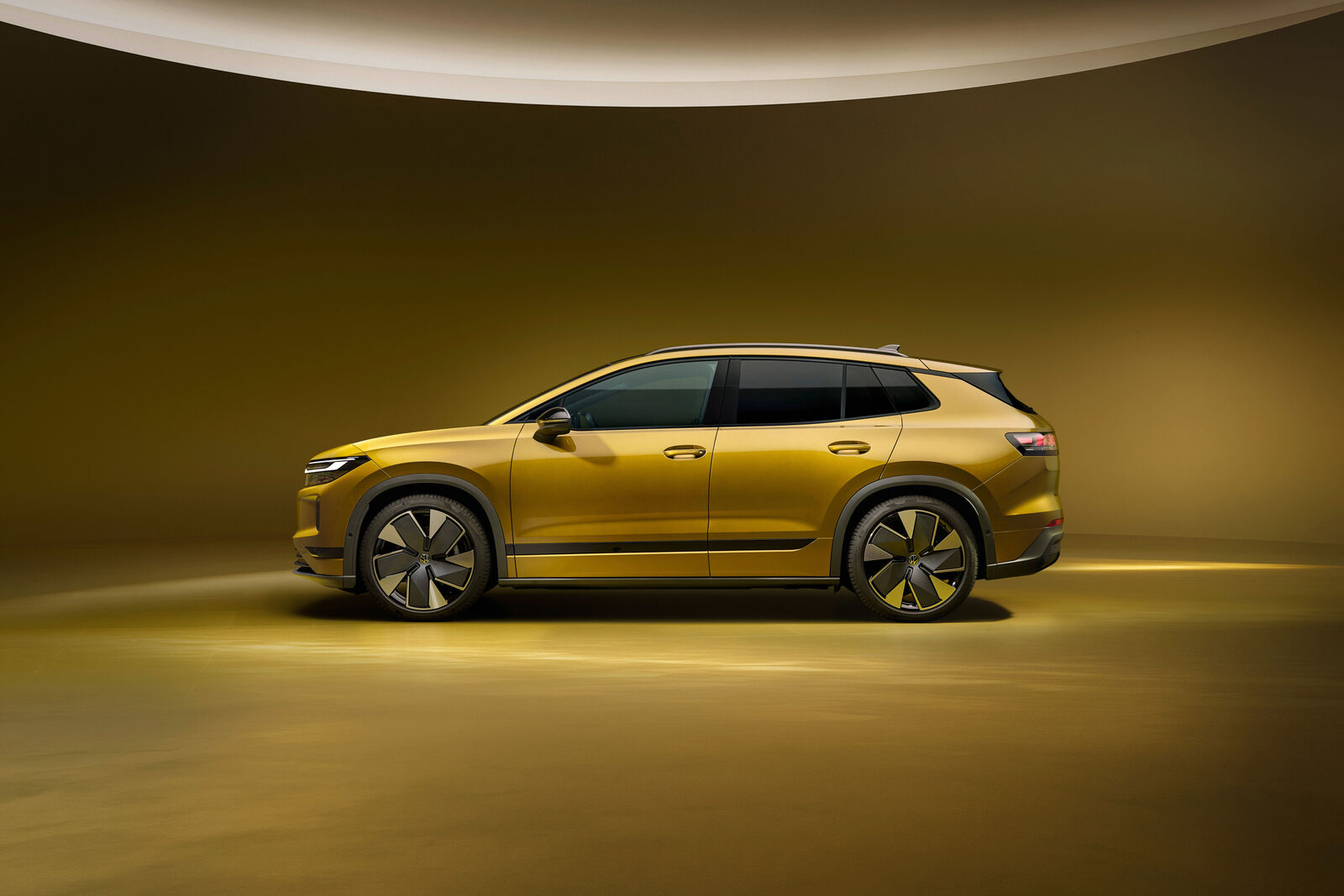
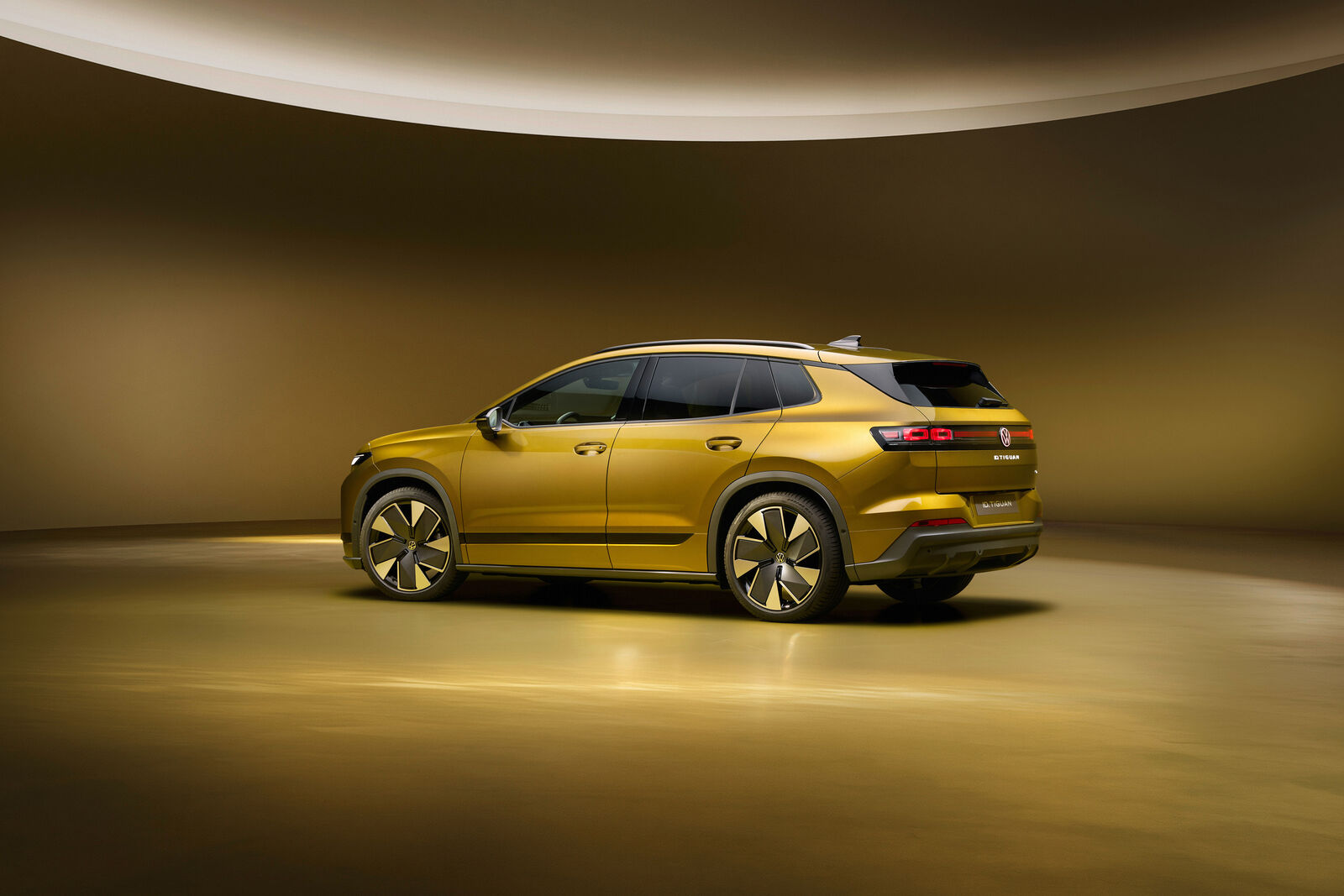
| Dimension | Manufacturer figure |
|---|---|
| Length | 4,618 mm |
| Width | 1,855 mm |
| Height | 1,619 mm |
| Wheelbase | 2,765 mm |
Dimensions are quoted from Volkswagen’s 13 October press kit. Technical overview.
The cabin brings back dedicated controls
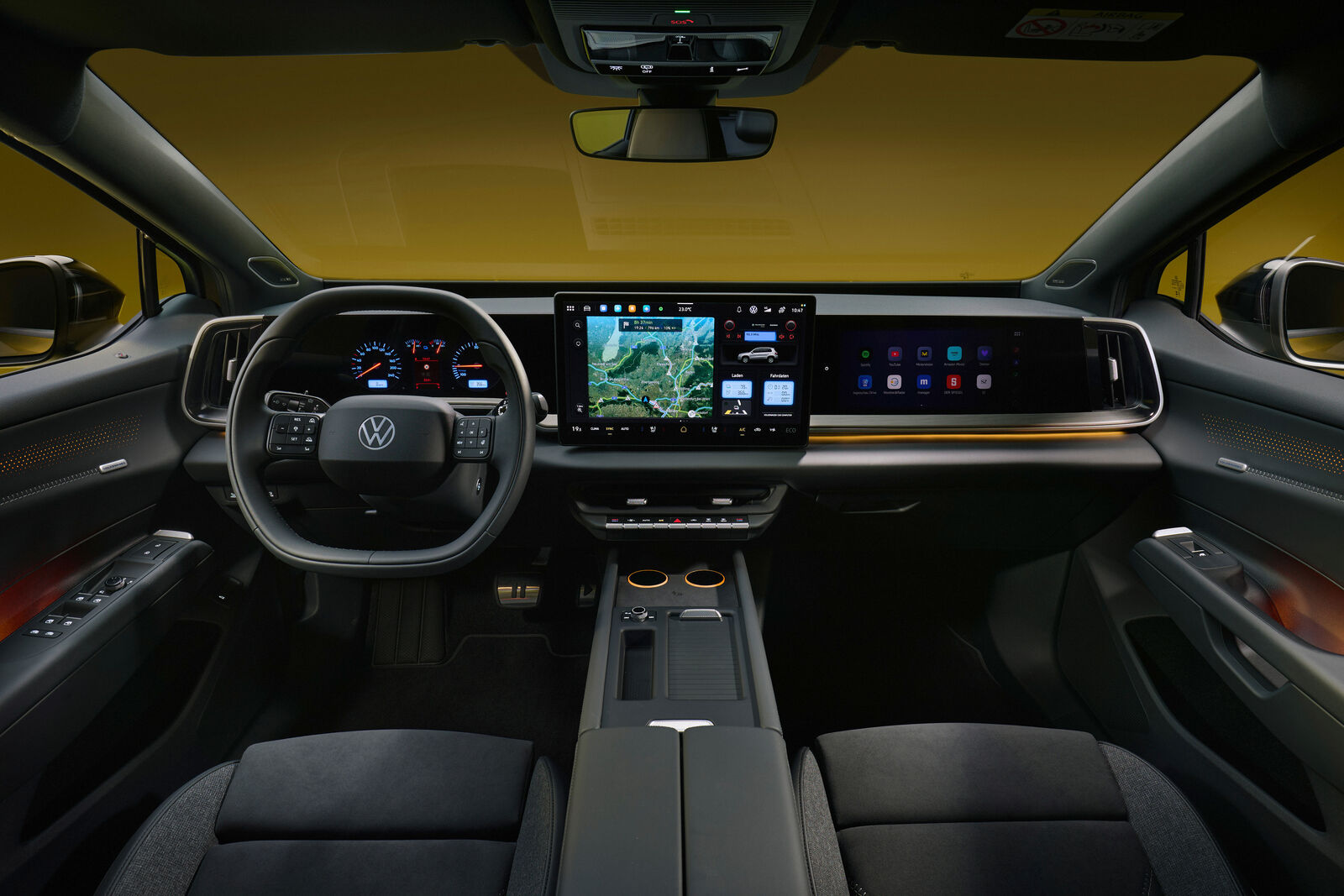
A 10-inch digital instrument display and 15-inch central touchscreen can be joined by an optional 12-inch passenger display. Volkswagen says its privacy function conceals passenger content from the driver, while Bluetooth headphones can provide separate audio. The screens remain prominent, but everyday functions also receive dedicated hardware controls.
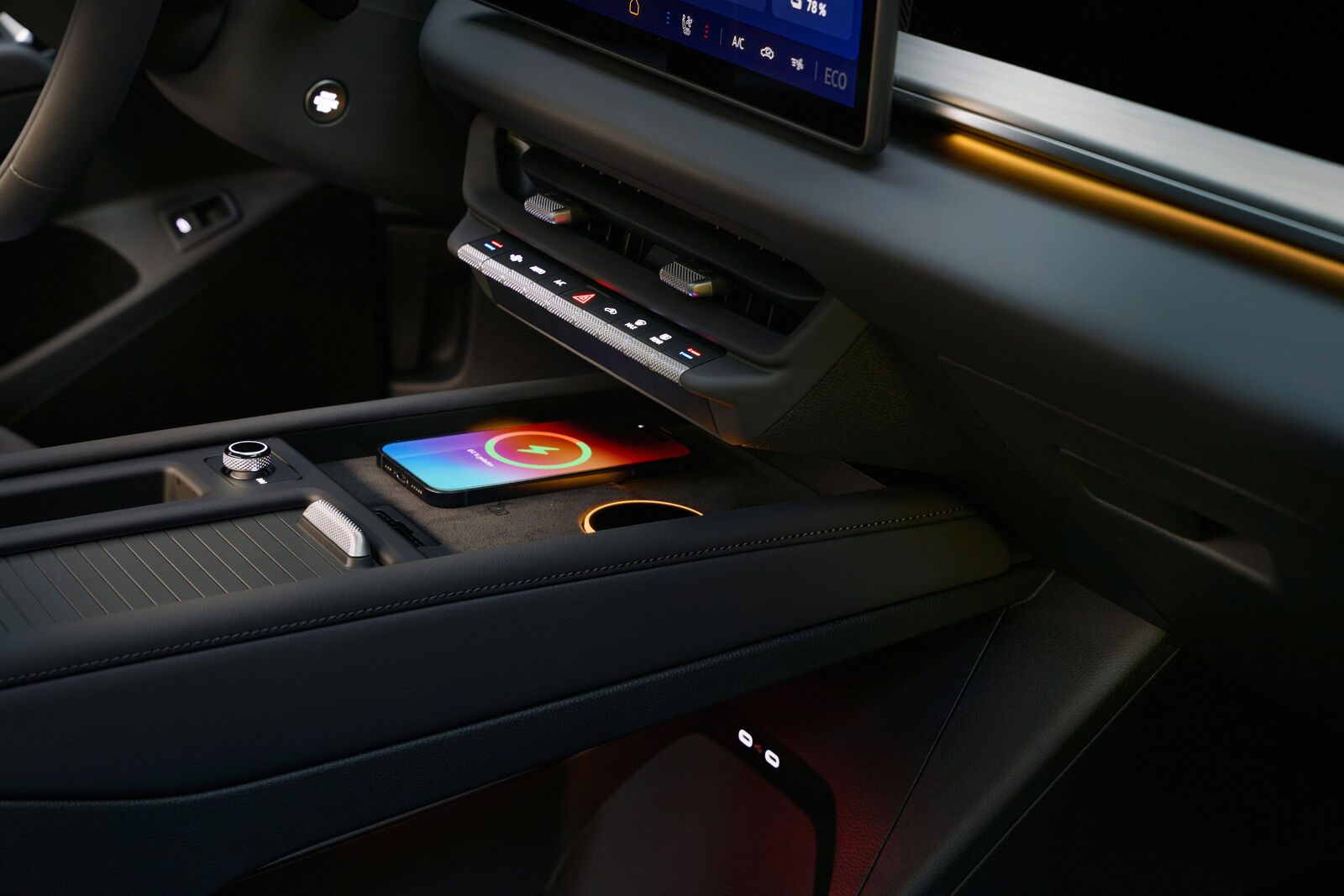
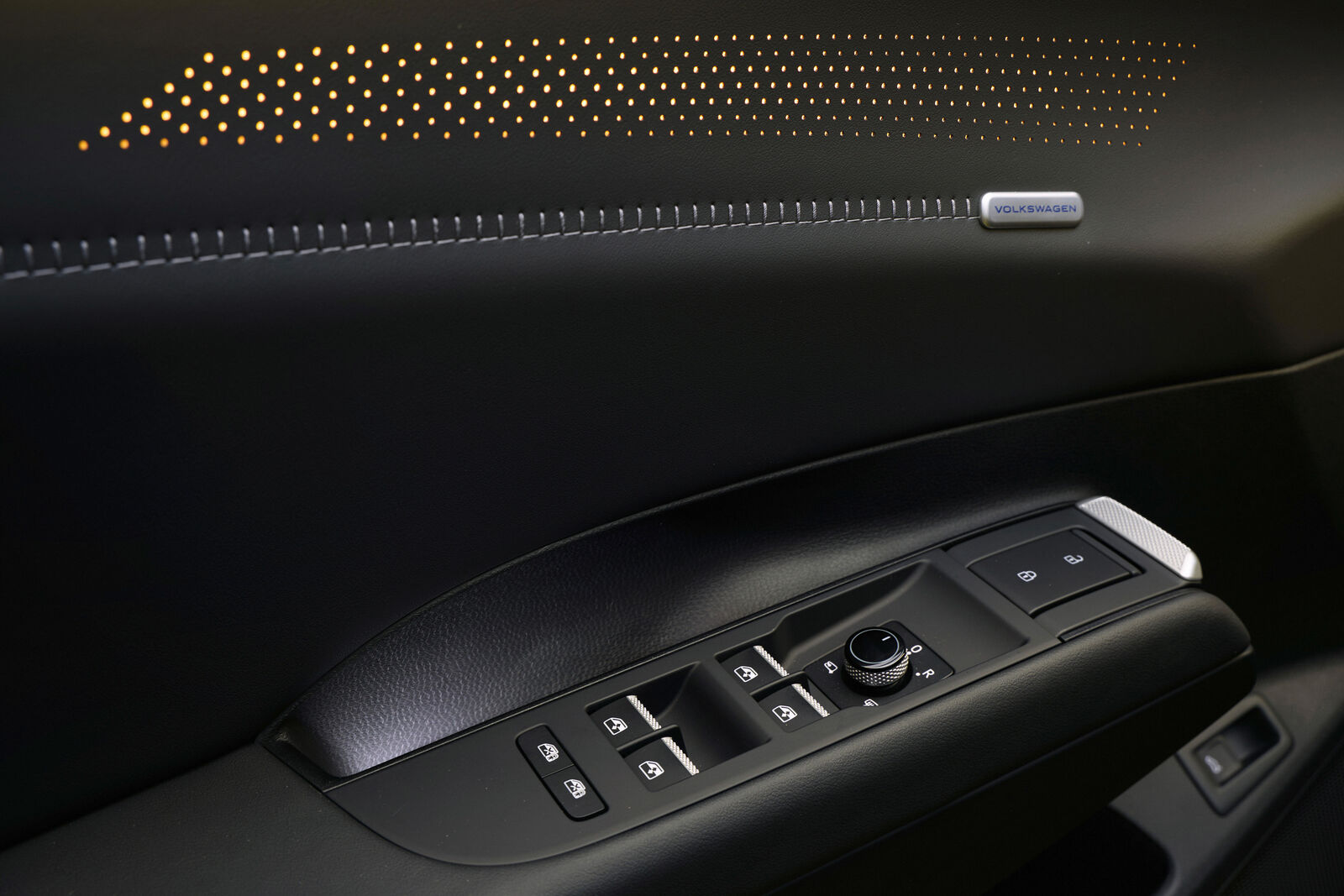
There is a separate button strip for the main climate functions, a rotary/push audio control on the centre console and physical buttons on the multifunction steering wheel. The driver’s door has four individual window switches. These changes address actions drivers repeat throughout a journey; whether the complete interface works well will still need to be assessed in use. Interior and operating concept.
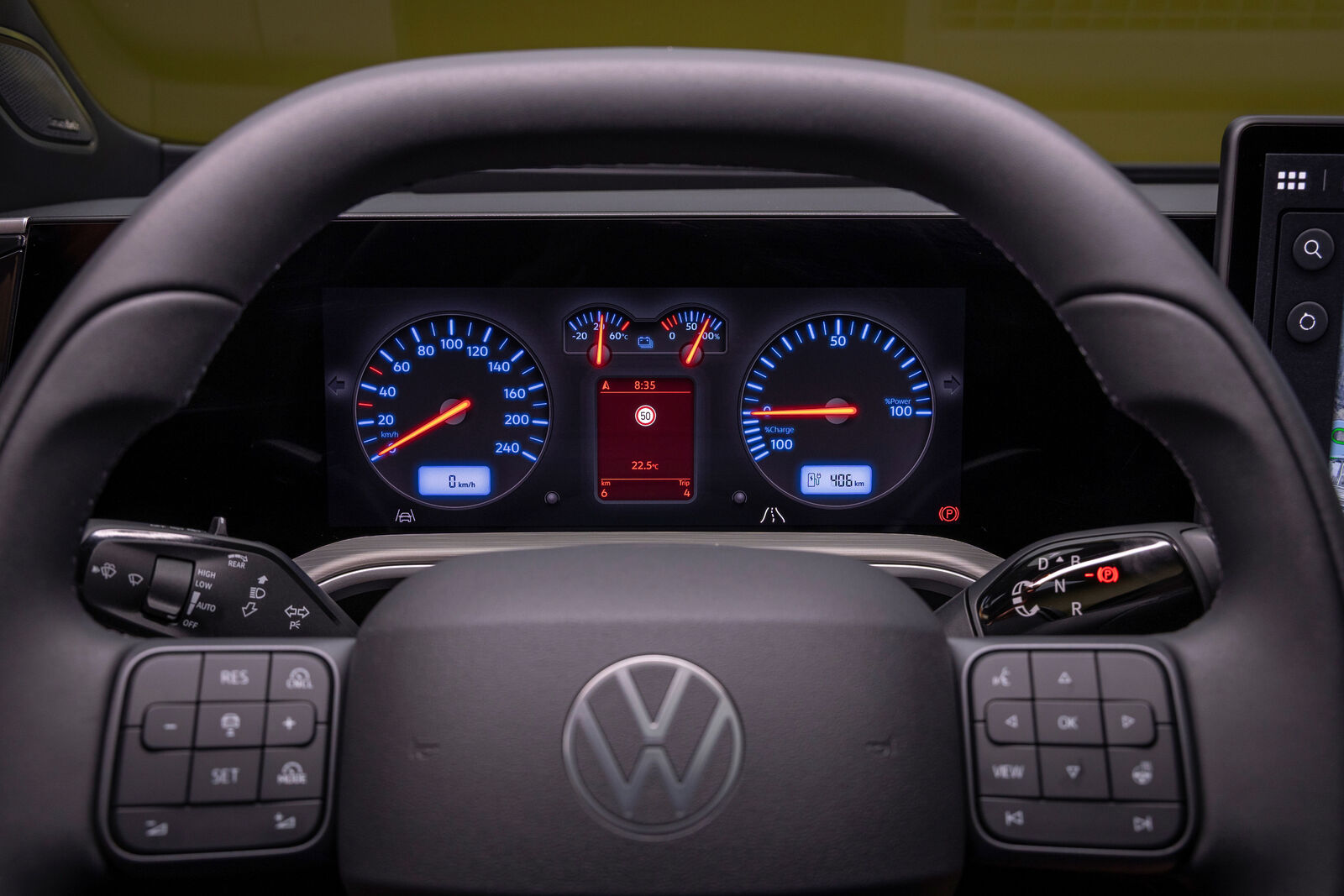
A standard retro instrument mode recalls the Golf IV’s blue and red dials. The right-hand dial resembles a rev counter but indicates power flowing to or from the electric drive. A virtual garage on the centre screen offers six classic Volkswagen models. The visual nostalgia complements the familiar model name without changing how the electric drivetrain operates. Retro display details.
Three powertrains and two battery sizes
The MEB+ line-up comprises two rear-wheel-drive versions and a dual-motor 4MOTION option. The 58 kWh battery uses LFP chemistry; the 77 kWh pack uses NMC cells. These are net usable capacities. The 210 kW rear-wheel-drive version carries the highest range claim, while 4MOTION adds all-wheel drive and quicker acceleration. Battery specifications · Powertrain details.
| Specification | 58 kWh | 77 kWh | 77 kWh 4MOTION |
|---|---|---|---|
| Power | 140 kW / 190 PS | 210 kW / 286 PS | 220 kW / 299 PS |
| Driven wheels | Rear | Rear | All four |
| Usable battery capacity | 58 kWh | 77 kWh | 77 kWh |
| Battery chemistry | LFP | NMC | NMC |
| Maximum WLTP range | 450 km | 600 km | 560 km |
| 0–100 km/h | 8.5 s | 6.7 s | 6.1 s |
| Top speed | 160 km/h | 180 km/h | 180 km/h |
| Maximum towing capacity* | 1,800 kg | 2,000 kg | 2,000 kg |
*Towing figures are specified at a 12% gradient. WLTP distances are the best-case homologated figures within each powertrain’s equipment range, rather than a promise for every configuration. They are not motorway range estimates. Speed, temperature, load and auxiliary energy use affect actual distance; maximum acceleration also depends on battery temperature and state of charge. Manufacturer figures and qualifications.
Charging: look beyond the peak power
| Charging specification | 58 kWh | 77 kWh / 4MOTION |
|---|---|---|
| Maximum AC power | 11 kW | 11 kW |
| Peak DC power | 105 kW | 165 kW |
| DC 10–80%, manufacturer claim | Approx. 26 min | Approx. 29 min |
The larger battery takes slightly longer to cover the same percentage window because more energy has to be added. 105 kW and 165 kW are peak figures, not constant rates throughout the session. Charging infrastructure, battery state and temperature influence the actual stop. The quoted times are useful comparison points, but a cold battery or a constrained charger can produce a longer session. Charging specifications.
An optional PowerSocket adapter adds vehicle-to-load capability through the charging port, allowing compatible external equipment to draw power from the traction battery. Volkswagen gives e-bikes and electric grills as examples. V2L should not be confused with an installed home-backup system. PowerSocket and V2L.
Practicality: a frunk and up to two tonnes of towing
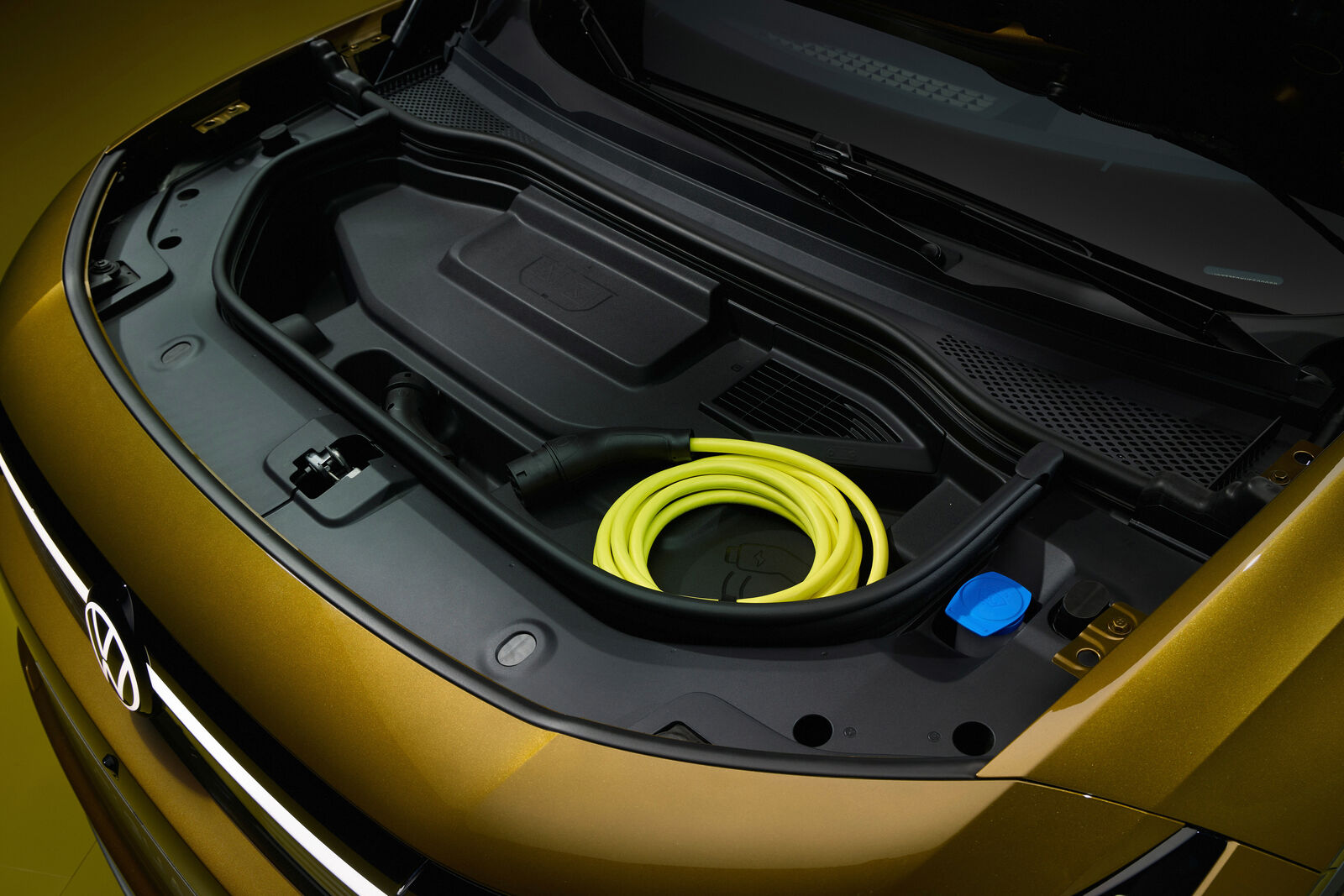
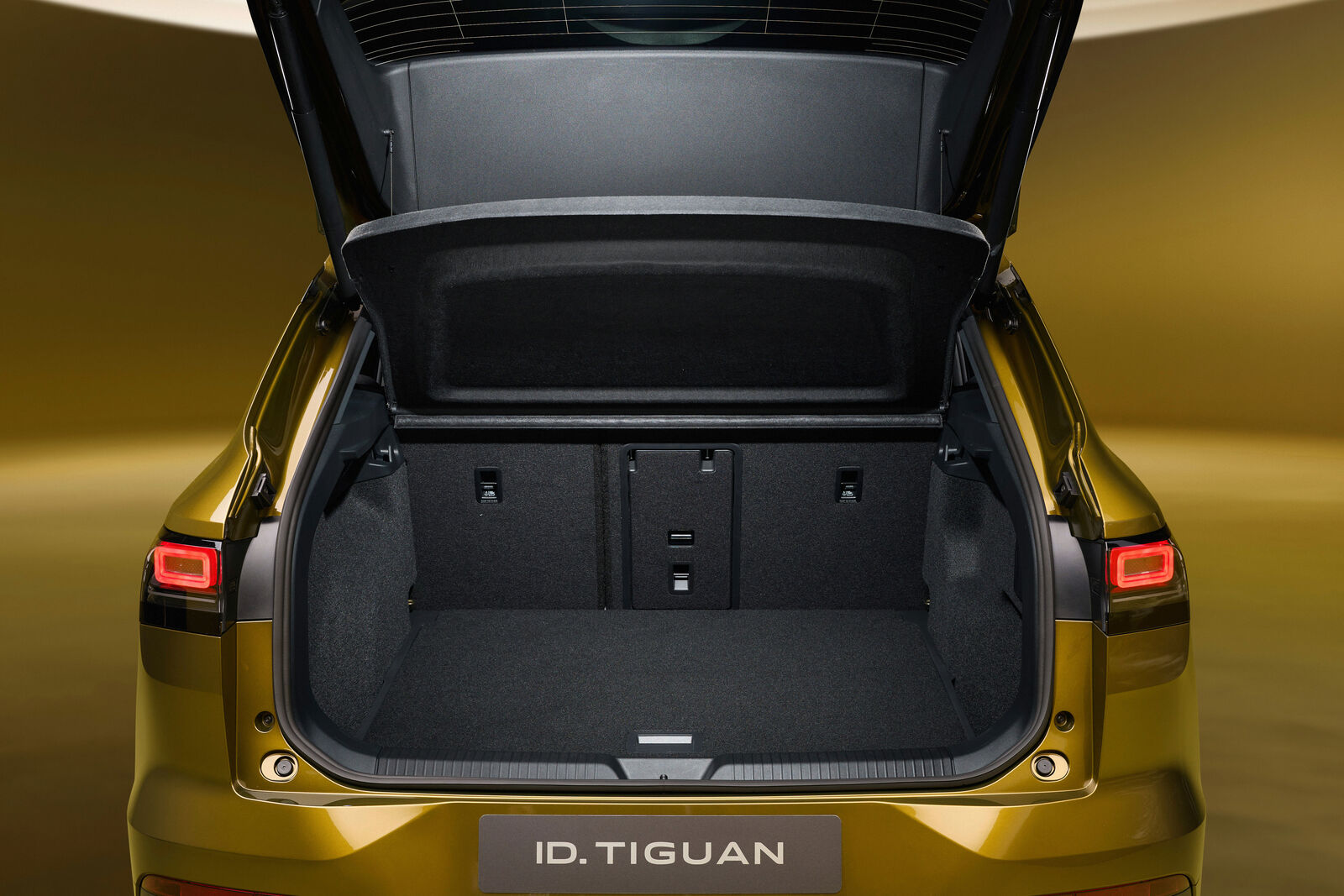
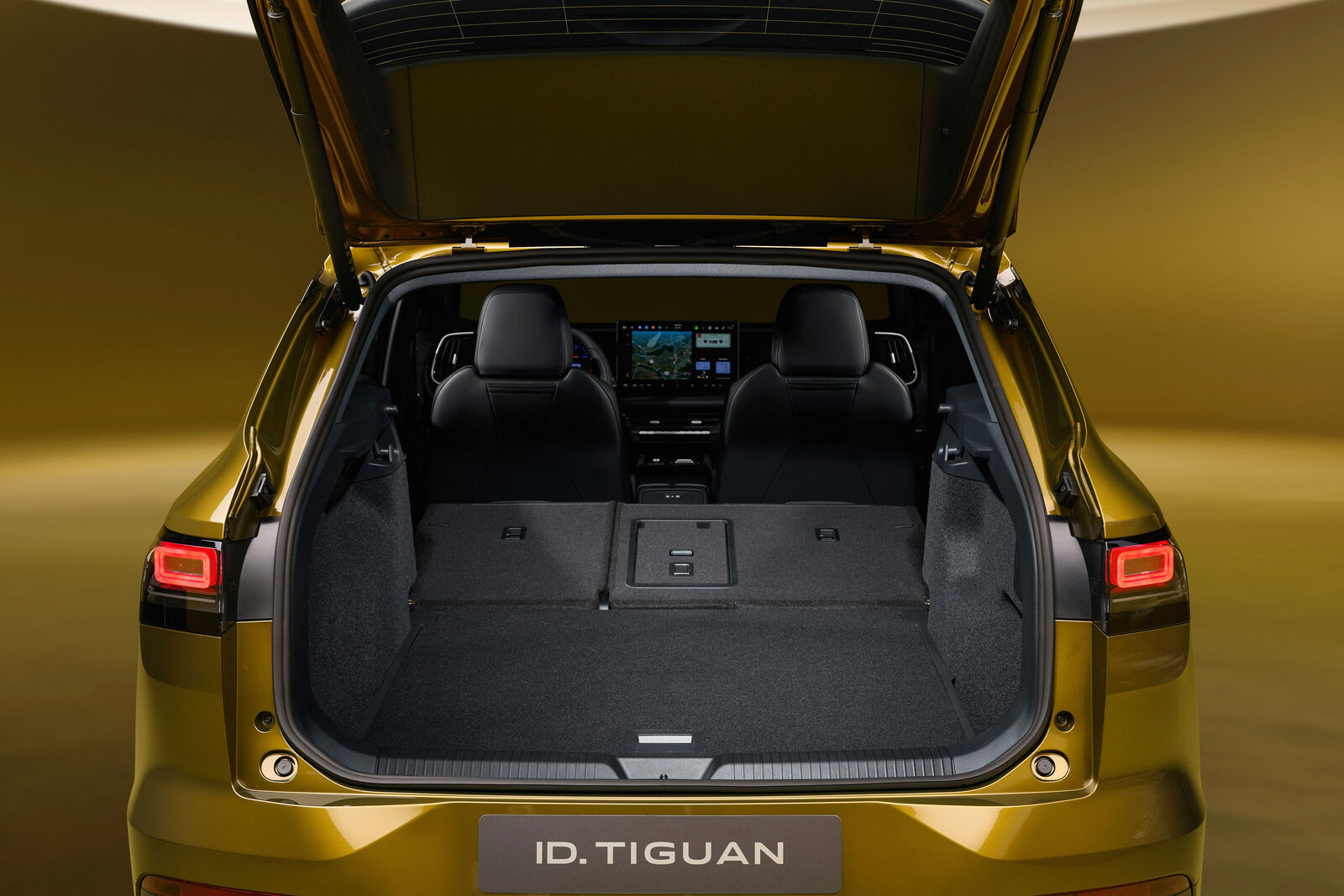
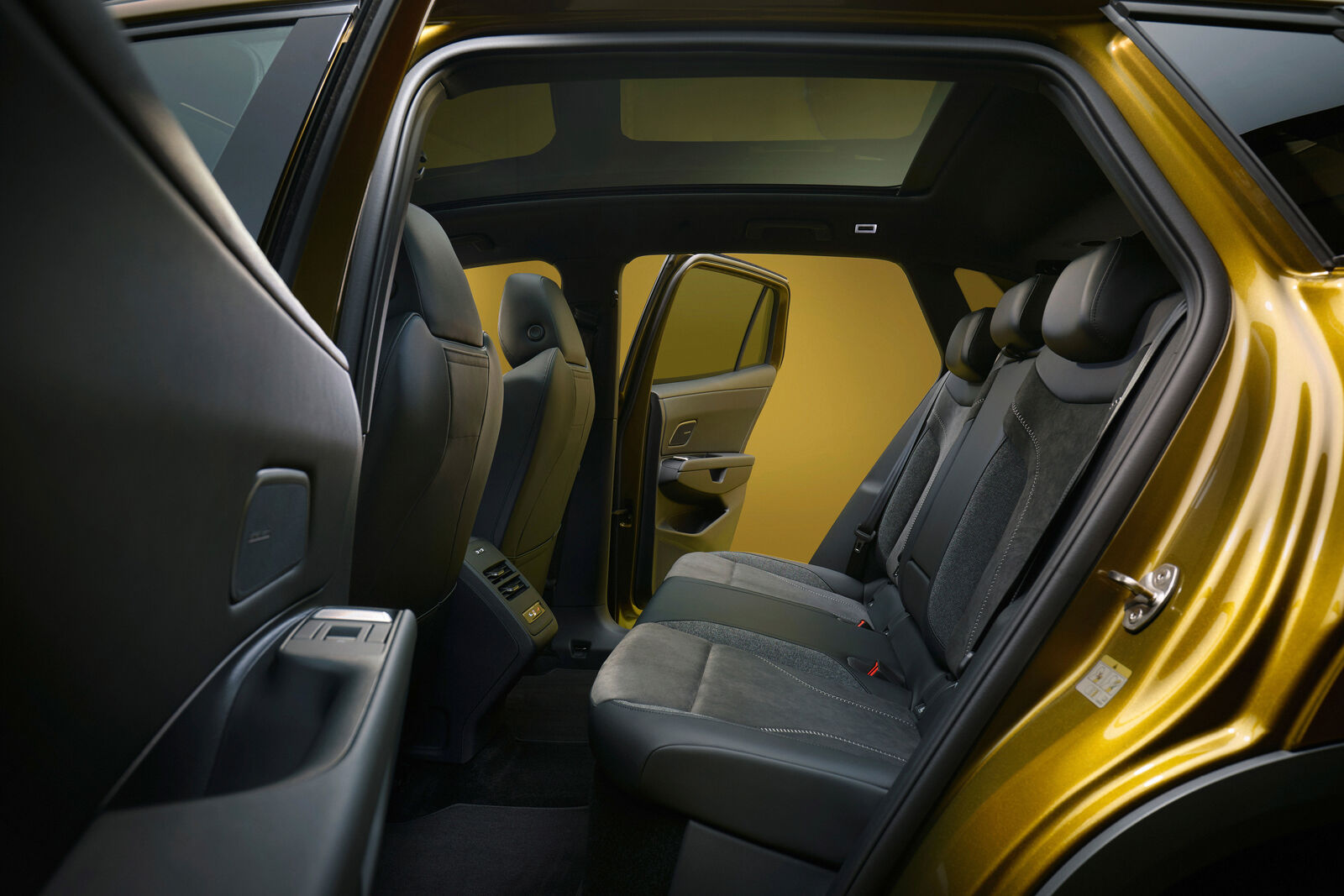
There are five seats, up to 534 litres of rear luggage space and a 32-litre frunk. Keeping a charging cable at the front means it need not be retrieved from beneath holiday luggage. Folding the rear seatbacks extends the load area. The larger-battery models’ maximum two-tonne towing capacity also broadens their potential use beyond the daily commute. Cabin and luggage space · Frunk capacity.
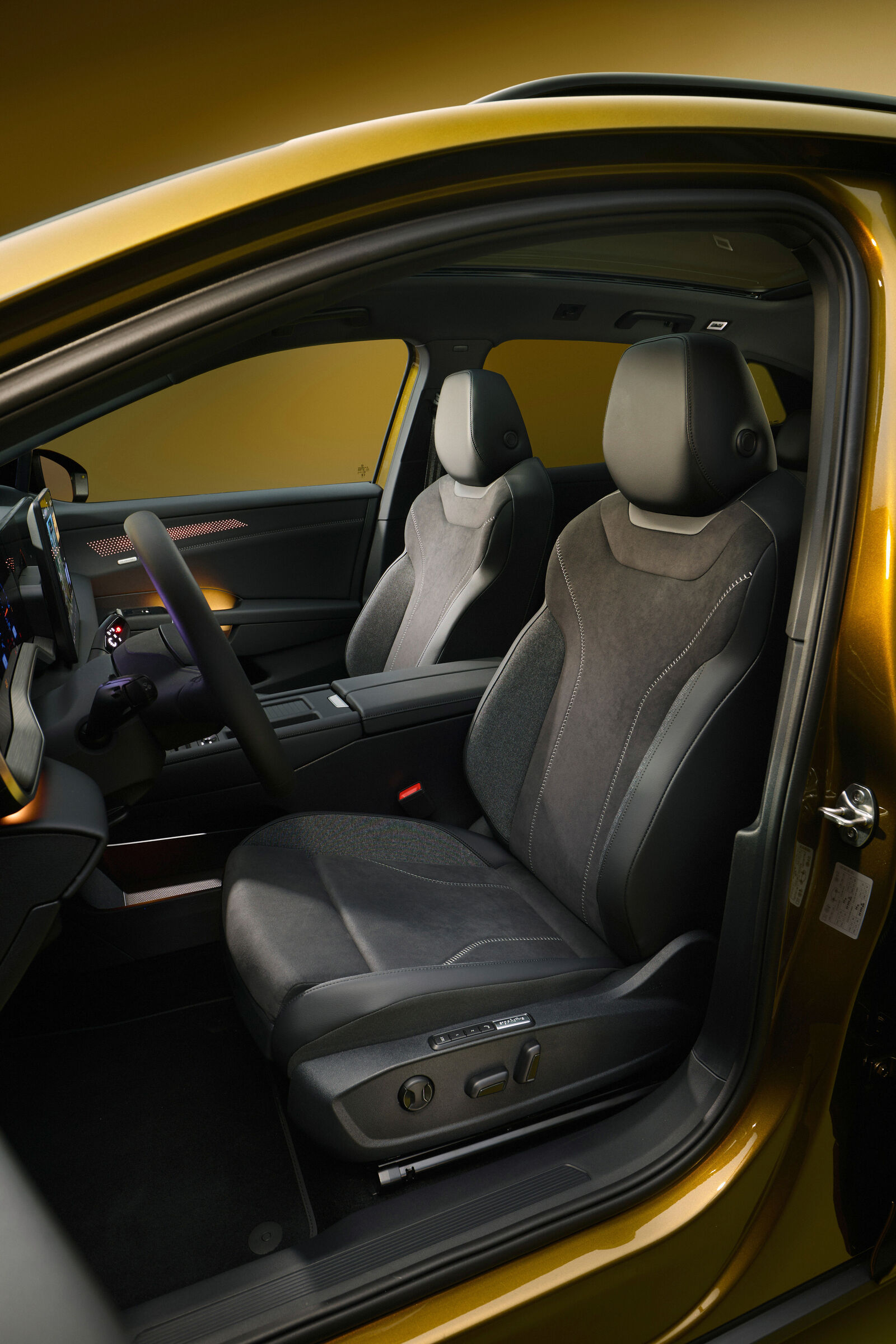
Optional comfort equipment includes ventilated and massaging front seats, a panoramic roof and a 480-watt Harman Kardon audio system. These should not be assumed to come with the entry-level price. Photographs show the seating layout, but ride quality, long-distance seat comfort and cabin noise remain questions for a road test. Comfort equipment.
One-pedal driving and connected assistance
One-pedal driving is standard. Optional Connected Travel Assist adds functions including assisted motorway lane changes and stopping at red traffic lights, within the system’s operating limits. These are driver-assistance functions and require an attentive driver ready to intervene. Equipment and feature availability should be checked for the destination market. Assistance systems.
European launch timing and the German starting price
Volkswagen announced the start of pre-sales in Germany and several other European markets for 13 October 2026, ahead of the planned early-2027 market launch. The published €42,695 starting price refers to Germany. It is not a Europe-wide price, and local equipment, taxes and launch schedules can differ. German price and launch schedule.
The announced trims are Trend, Life, Style and R-Line, with equipment combinations based on the German programme. R-Line primarily describes a sportier specification and appearance; it should not be treated as a separate drivetrain. The European announcement also does not establish an American price or delivery date. Trim line-up · Trim and powertrain combinations.
The important changes sit behind the badge
The ID. Tiguan’s strongest idea is the combination of familiar controls and electric-car packaging. Pull-style handles, separate climate buttons, four window switches and a cable-sized frunk are practical changes rather than headline specifications. The next steps are local price lists and tests of production cars: those will show how the revised cabin, real-world efficiency and charging performance translate into everyday ownership.
Sources8
- Volkswagen: ID. Tiguan world premiere — 9 October 2026
- Volkswagen: ID. Tiguan press kit — 13 October 2026
- Volkswagen: ID. Tiguan exterior design and dimensions
- Volkswagen: ID. Tiguan interior and controls
- Volkswagen: ID. Tiguan drive versions and performance
- Volkswagen Magyarország: az új ID. Tiguan
- Volkswagen: ID. Tiguan official press photographs
- Volkswagen Newsroom: terms of service