Chinese EVs now span inexpensive urban transport, exceptionally fast-charging touring cars and luxury flagships priced alongside established premium brands. Korean manufacturers are expanding into smaller, locally produced EVs, while Japanese brands are adding new electric models and Chinese partnerships. The useful question is which particular car does what better, and what trade-offs come with it.
This selection reflects information checked on 24 October 2026. It separates the next European arrivals from recent launches already available in selected markets. Manufacturer specifications and named independent tests provide the evidence; this is not a first-hand road test. European availability does not establish availability in North America or other regions.
What reaches Europe next?
A reveal, an order-book opening and a customer delivery are different events. A Paris premiere does not make a car immediately available throughout Europe. The timetable below preserves the country scope and treats future delivery announcements as plans.
| Model / brand | Next identified milestone | Status and limitation |
|---|---|---|
| XPENG L03 | Q4 2026: first Swiss customer deliveries | Manufacturer schedule; battery-electric and range-extender versions must be distinguished. |
| XPENG G9L | December 2026: first customer deliveries | European premiere and order opening completed; rollout varies by country. |
| Mazda CX-6e | Late 2026: UK introduction | Separate from its announced summer continental European rollout. |
| Changan NEVO Q05 | Q1 2027: expected European sales launch | Manufacturer target; country-specific specifications and deliveries need confirmation. |
| Xiaomi Auto | 2027: European entry, including Germany | Final local lineup, pricing and delivery month remain unconfirmed. |
| Leapmotor B03 | European premiere: 12 October 2026 | A newly unveiled contender; the reviewed manufacturer release supplies no firm local delivery date. |
Timetable sources: L03 in Switzerland; G9L December plan; Mazda UK; Changan roadmap; Xiaomi announcement; Leapmotor premiere.
XPENG: two different propositions
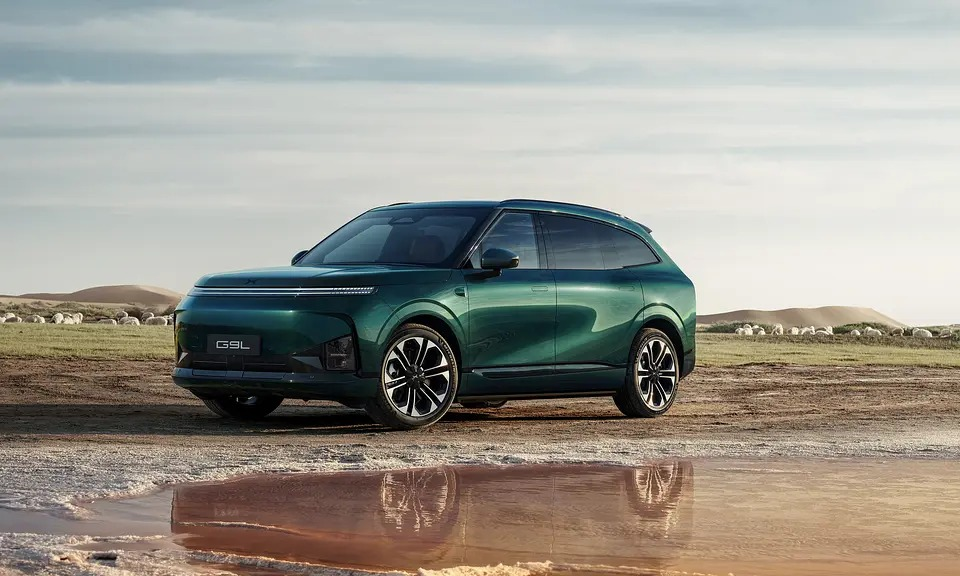
The G9L targets family and business travel with a 5.12-metre body and six- or seven-seat layouts. XPENG quotes up to 591 km WLTP and an ideal-condition 10–80% charge in 11.7 minutes, with final-homologation caveats. Its €74,600 German starting price puts it firmly into premium territory. European launch; Dimensions and German price.
Three rows and fast charging could make a persuasive combination. Parking dimensions, usable third-row space and real energy consumption still matter as much as the number of cabin screens.
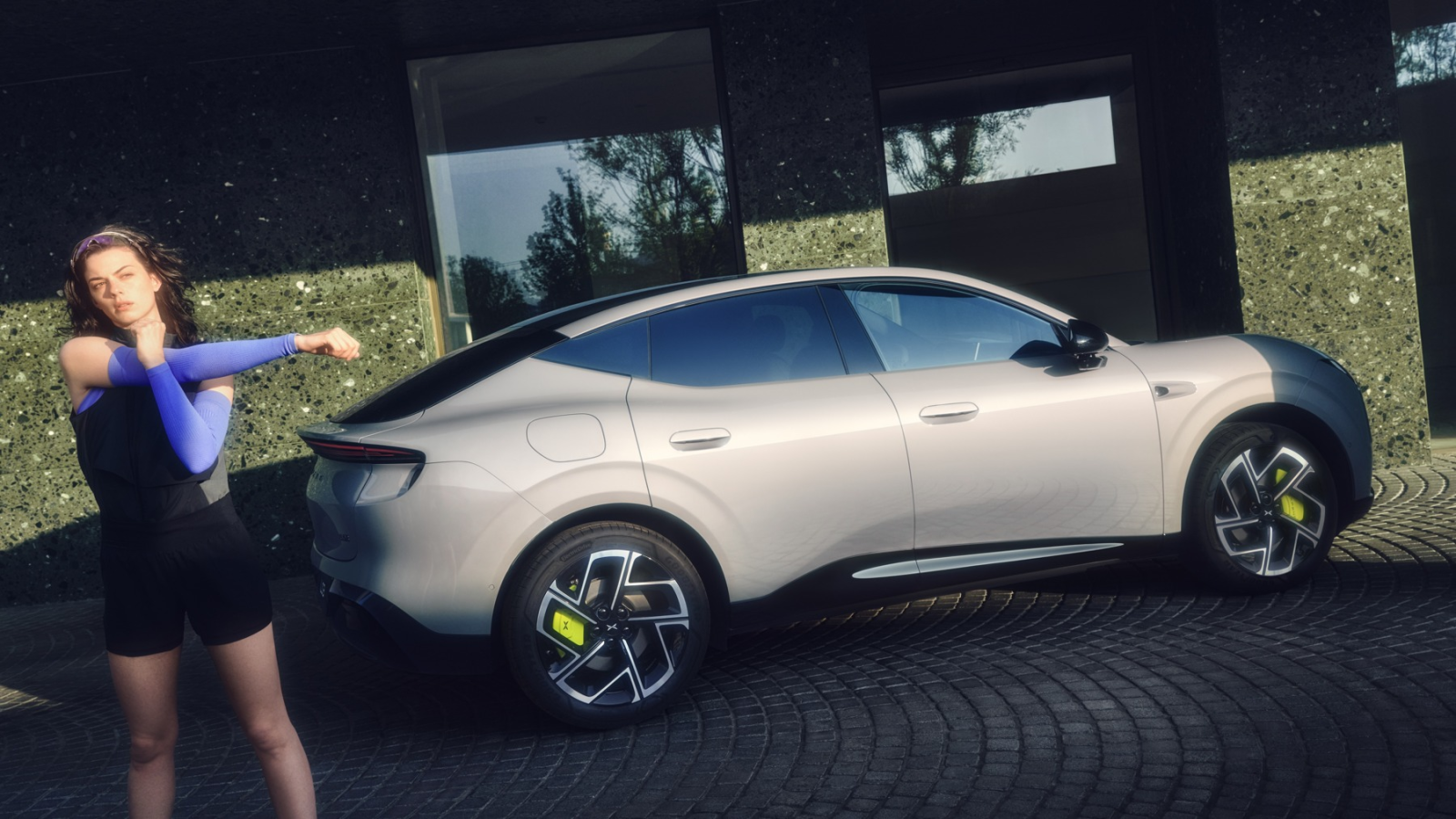
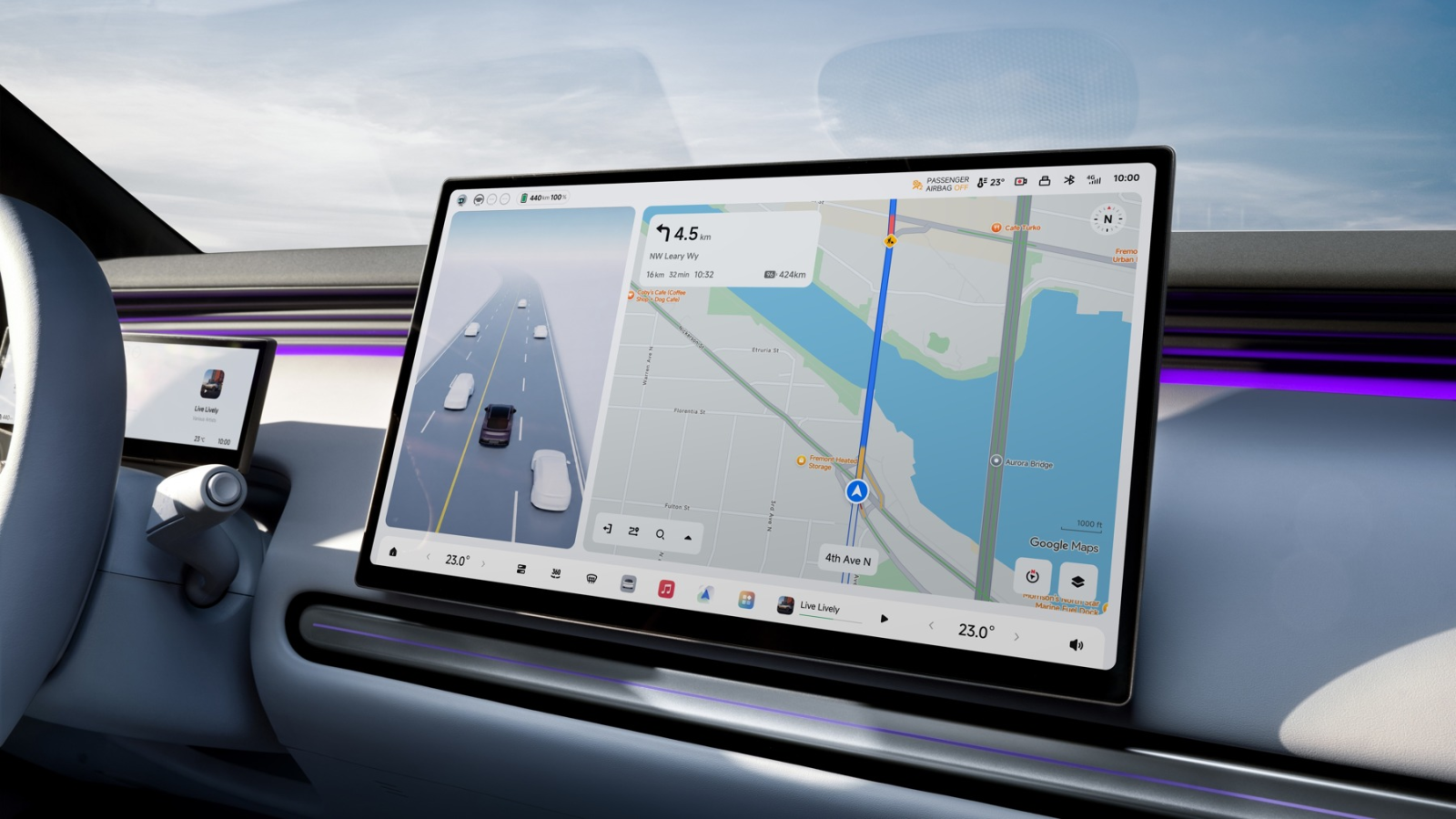
The smaller L03 SUV coupé offers a lower entry point. Its Swiss announcement specifies 58.3 or 71.2 kWh LFP batteries for the rear-wheel-drive cars, with preliminary WLTP ranges of up to 445 and 520 km. The CHF35,600 entry price is a Swiss figure, not a euro-area offer. L03 variants.
A range-extender version can burn petrol to generate electricity. Electric wheel drive alone does not make it a battery-only car, and its combined fuel-and-battery range does not belong in a BEV range ranking.
Leapmotor, Changan and Xiaomi: the next wave
The Leapmotor B03 made its European debut as an urban hatchback. The 12 October manufacturer release quotes up to 390 km WLTP, 145 kW and a 21-minute 10–80% charge. It could appeal to shoppers considering smaller EVs such as the Renault 5, but local prices and deliveries will determine its practical relevance. We use the updated launch figure rather than the earlier 392 km preview claim. B03 launch details.
For the Changan NEVO Q05, the clearest milestone is an expected European sales launch in Q1 2027. Chinese-cycle range figures and domestic prices cannot substitute for a European specification sheet. The group also identifies Norway and Spain for AVATR 06T and 07L arrivals in 2027; this does not establish continent-wide availability or a battery-only lineup. Changan’s regional plans.
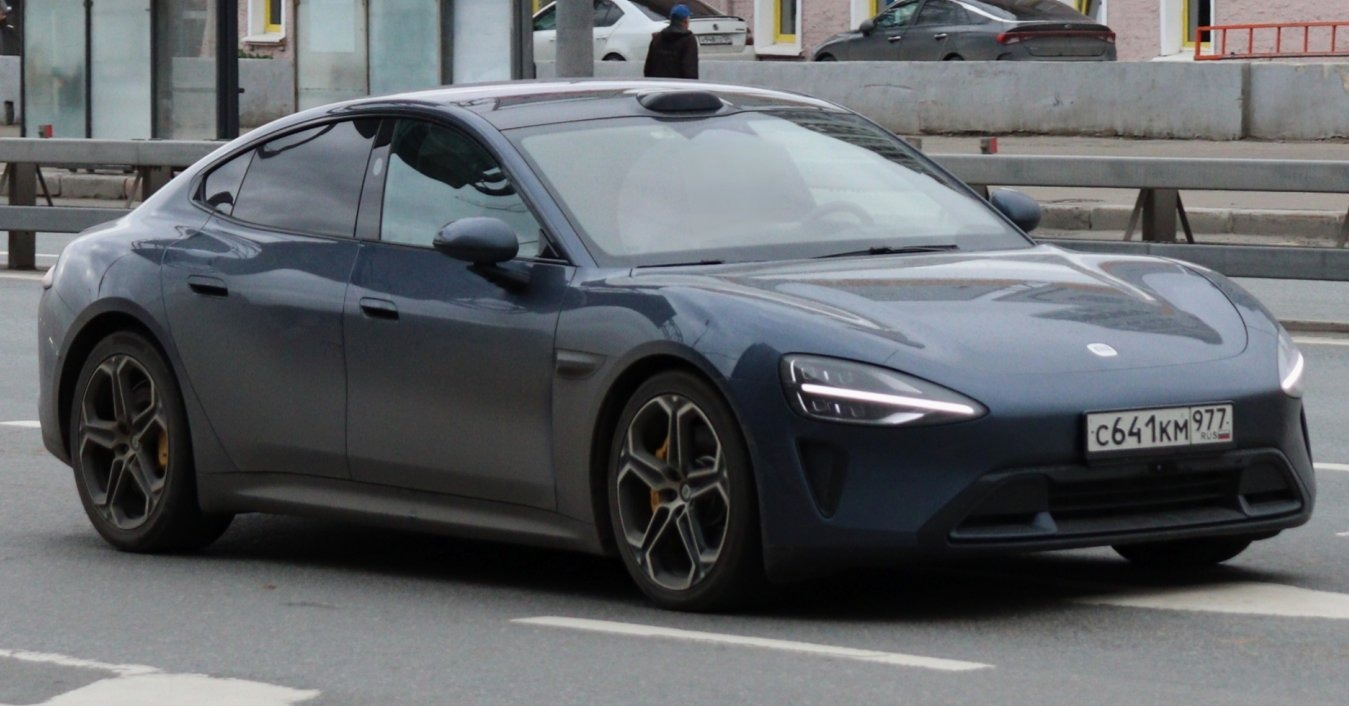
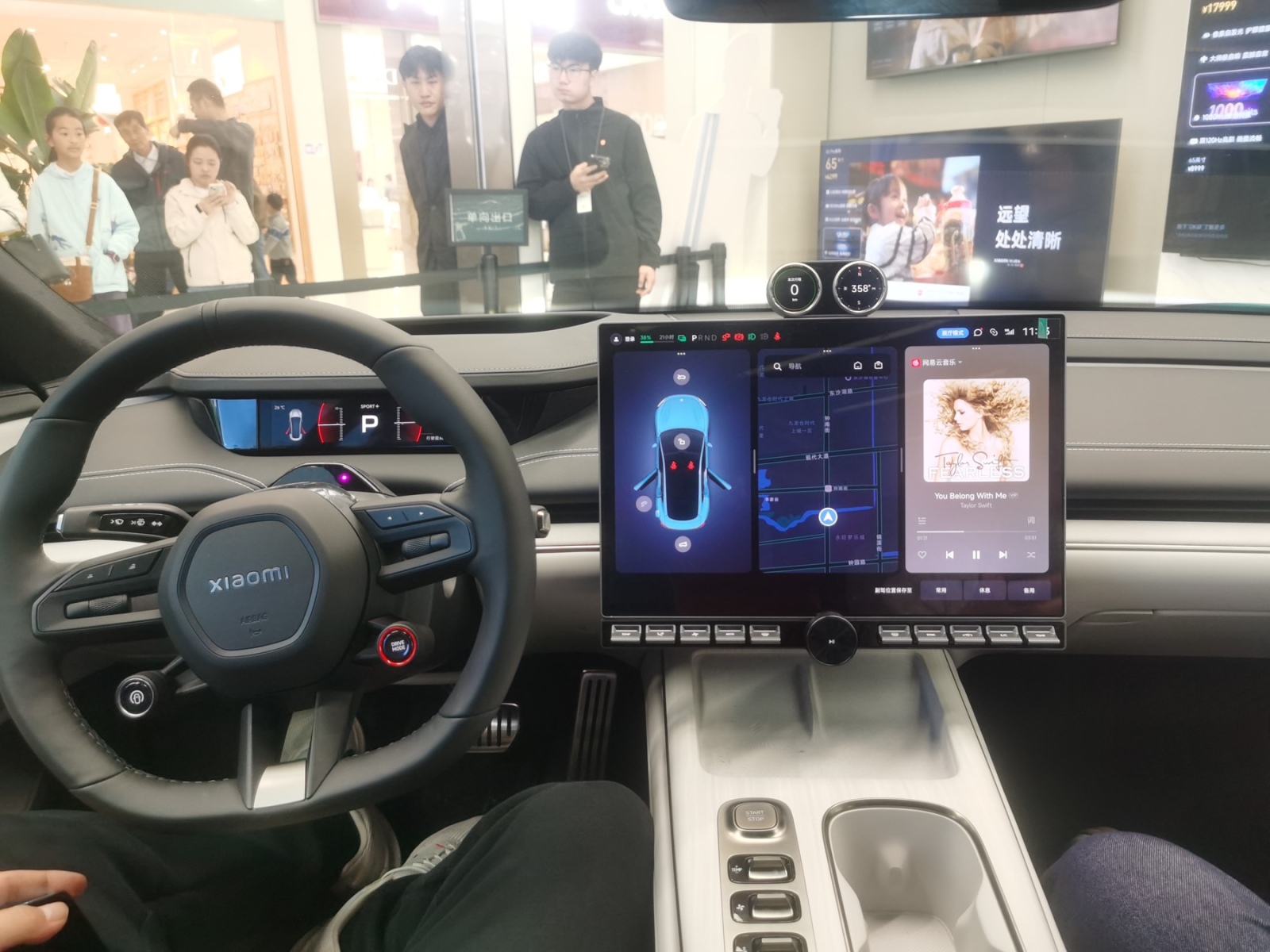
Xiaomi officially targets European entry in 2027 and has signed memoranda with German dealer groups. That makes the SU7 a brand showcase worth watching, but it does not establish a confirmed European SU7 price or delivery month. Xiaomi’s global site explicitly says the SU7 and SU7 Ultra are not yet sold outside China and are shown for promotional purposes. Xiaomi Auto; German distribution plans.
Zeekr and Denza move beyond the low-price argument
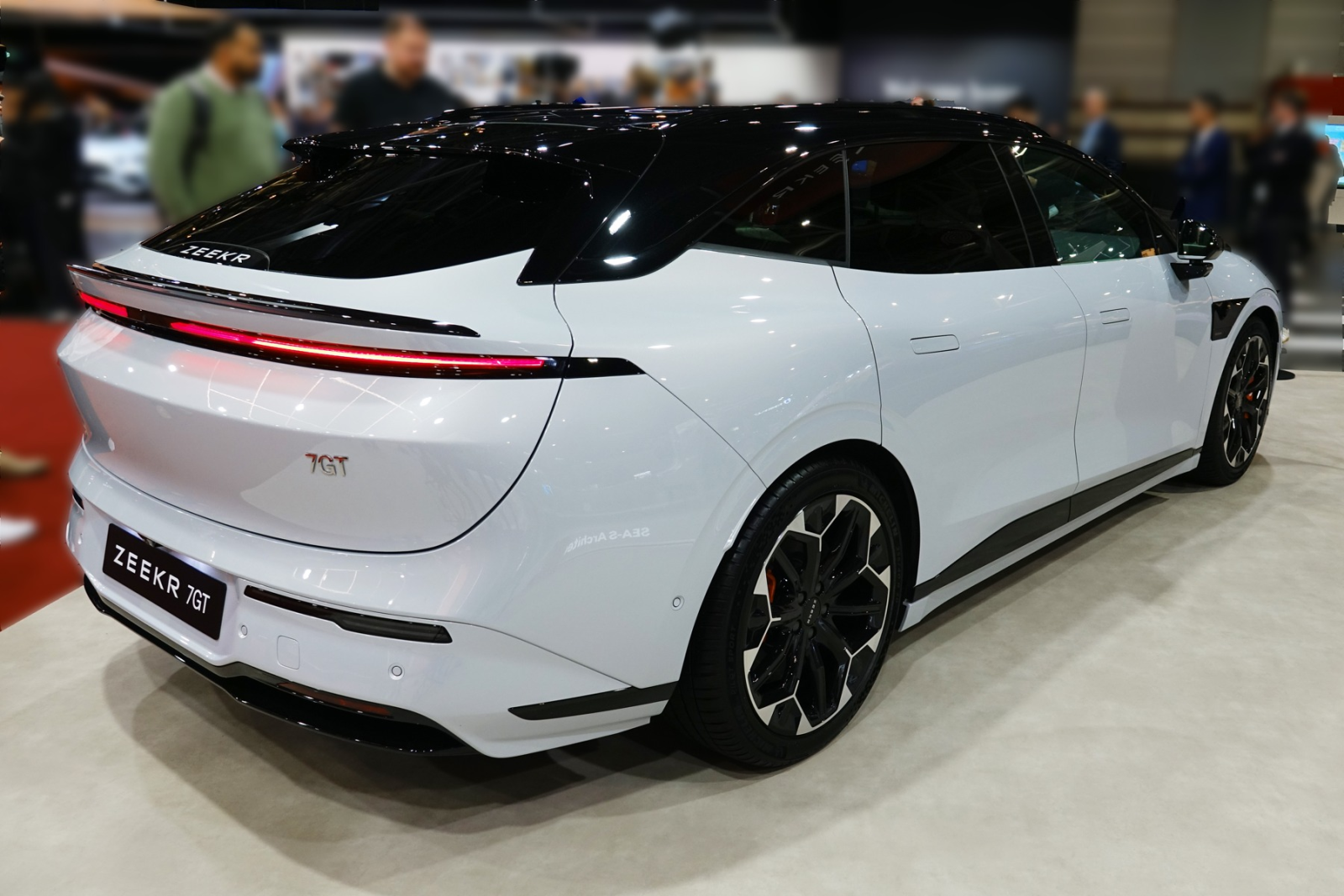
The Zeekr 7GT is configurable on the reviewed Dutch site. Its €45,990 Business Edition pairs a 75 kWh battery with up to 519 km WLTP and a 13-minute manufacturer charging target. The 655 km RWD uses a 100 kWh pack, starts at €50,990 and lists 16 minutes. The 655 km range and 13-minute charge do not describe the same version. Dutch specifications and prices.
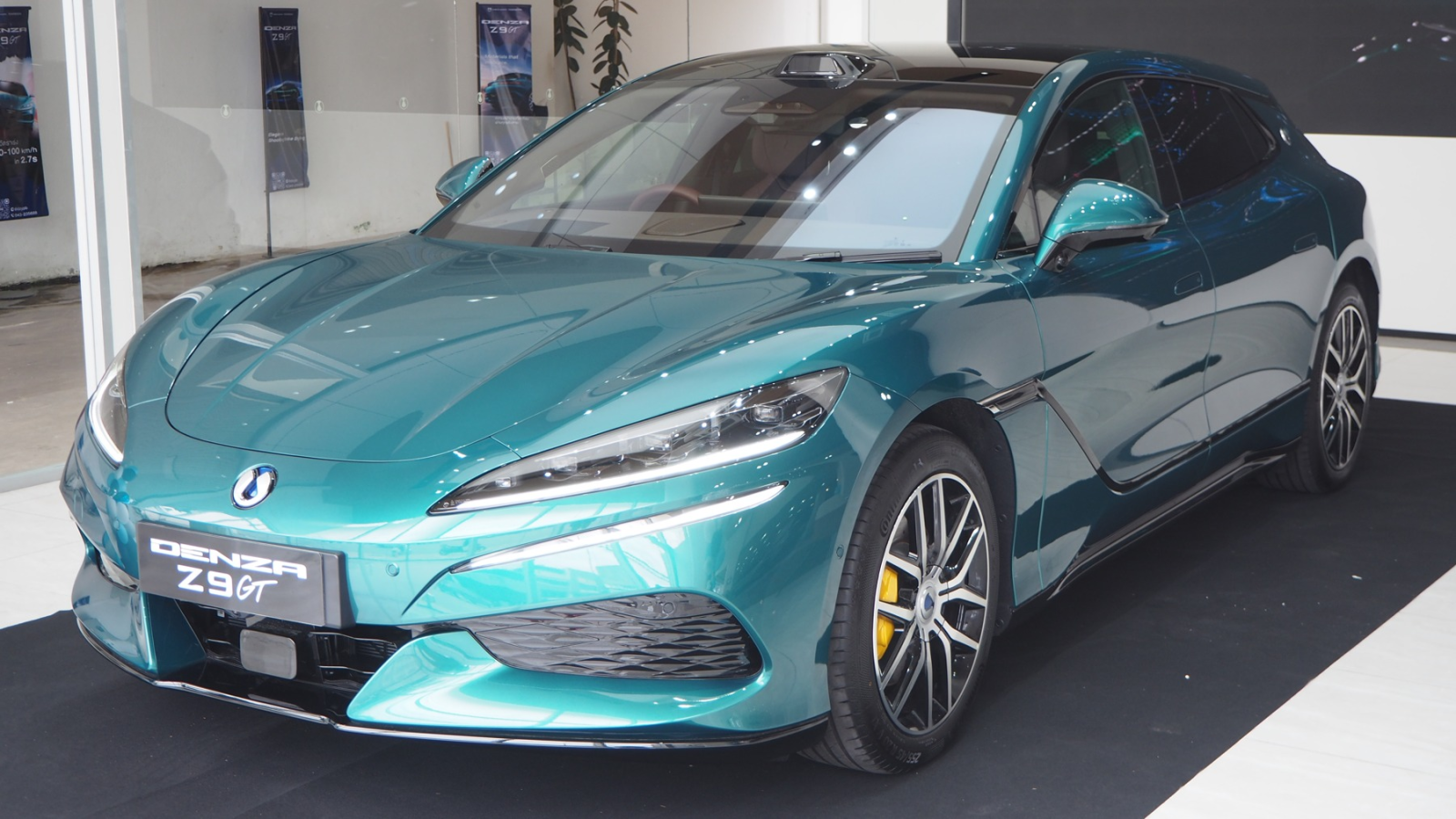
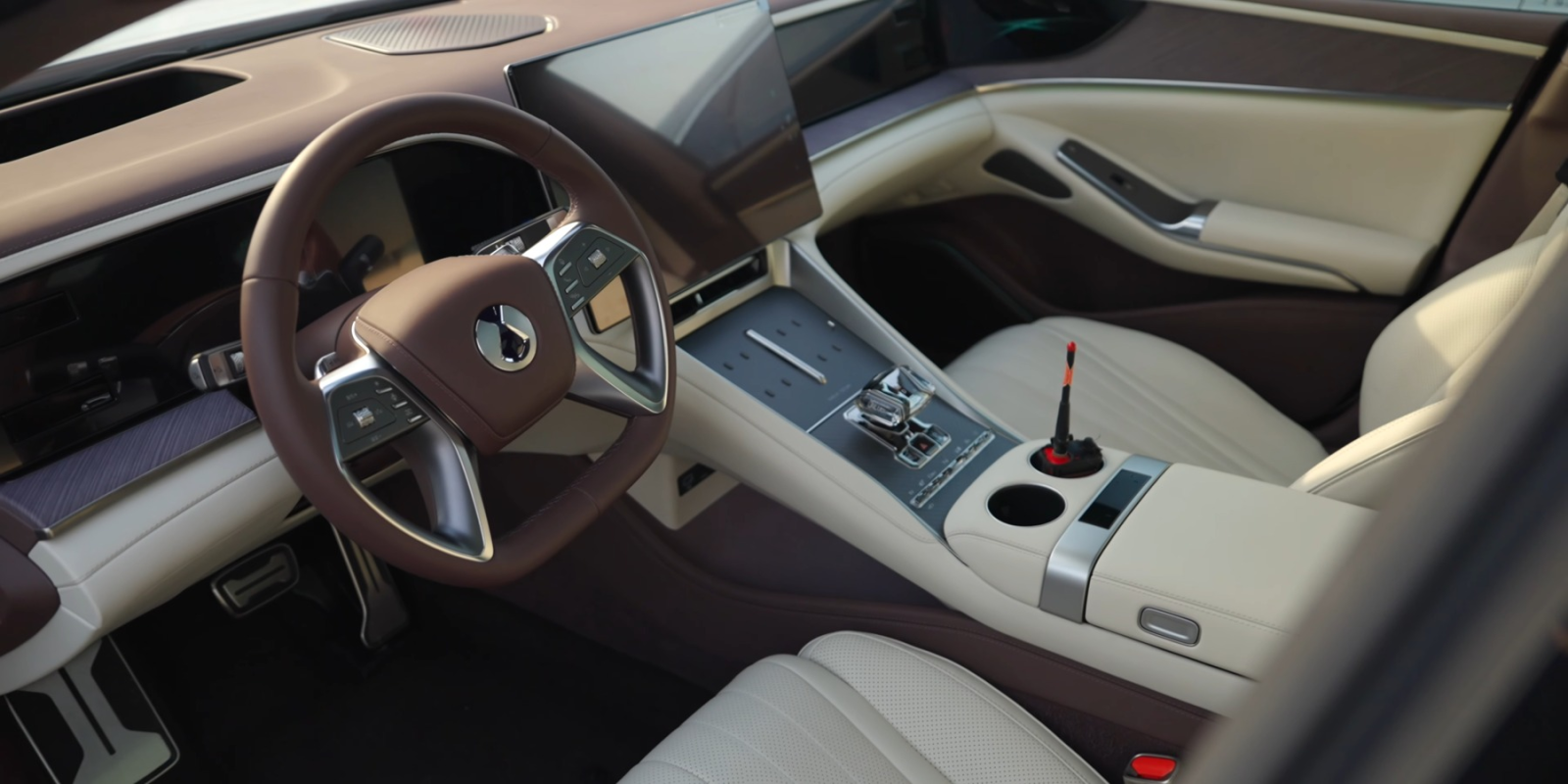
BYD’s premium Denza Z9GT is already in its European rollout, with a Swiss launch announced in August. Its European BEV specification lists 122.49 kWh and 600 km WLTP. The nine-minute claim concerns 10–97% on suitable FLASH Charging infrastructure; it is not a result promised on an arbitrary public DC charger. Swiss launch; European specification; Charging conditions.
Denza demonstrates that Chinese competition now extends to expensive technology and luxury. A very large battery alone does not establish exceptional energy efficiency.
Korea’s response: Kia EV2 and Hyundai IONIQ 3
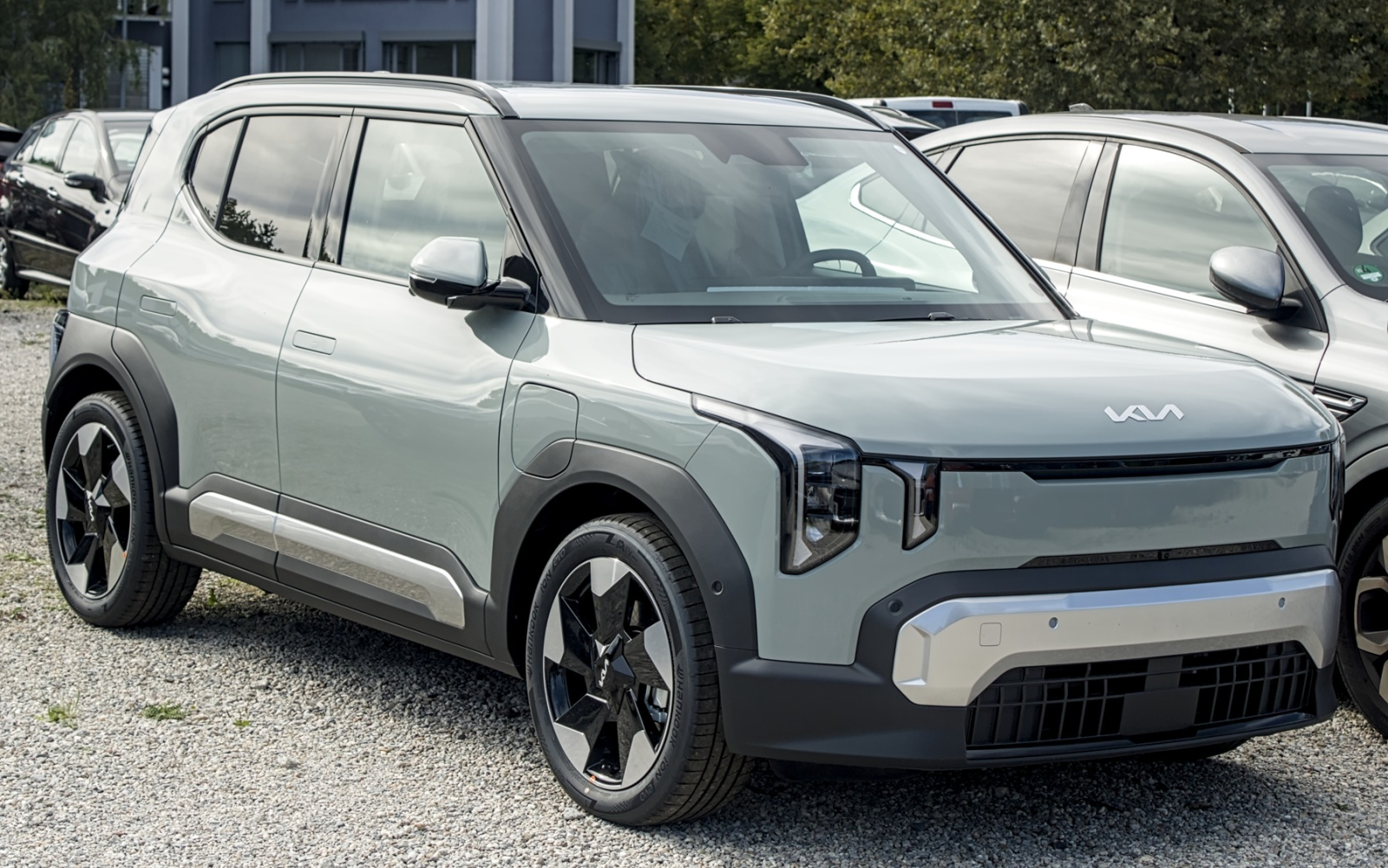
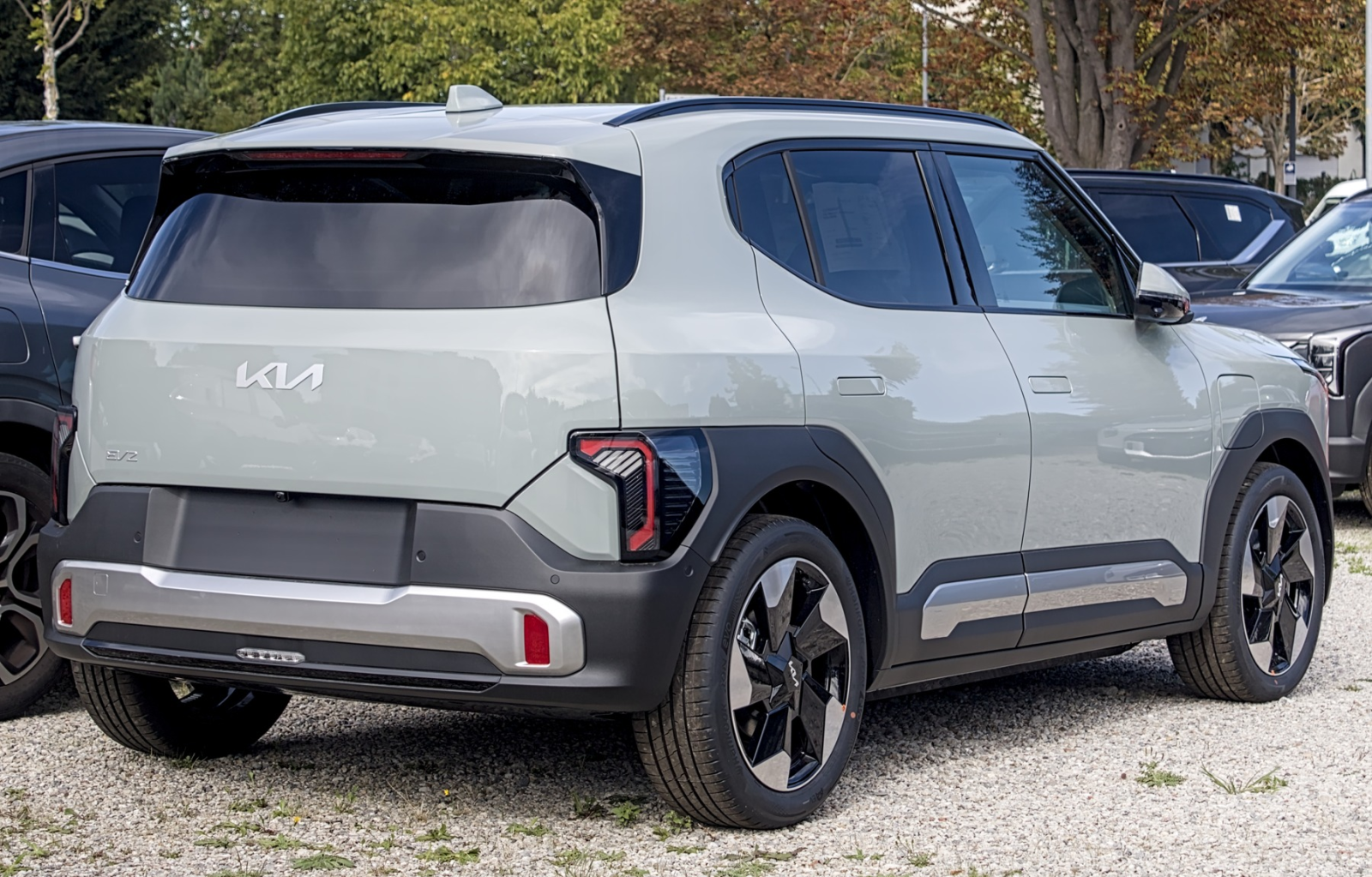
The Kia EV2 is a current production model, rather than a distant concept. Today’s model information lists maximum ranges of 317 km and 453 km for its two battery sizes, with DC charging taking about half an hour. Built in Slovakia, this small SUV addresses everyday practicality. Heat-pump availability, V2L and the sliding four-seat rear layout depend on market and specification; they should not be assumed standard throughout the range. Current model information; European production.
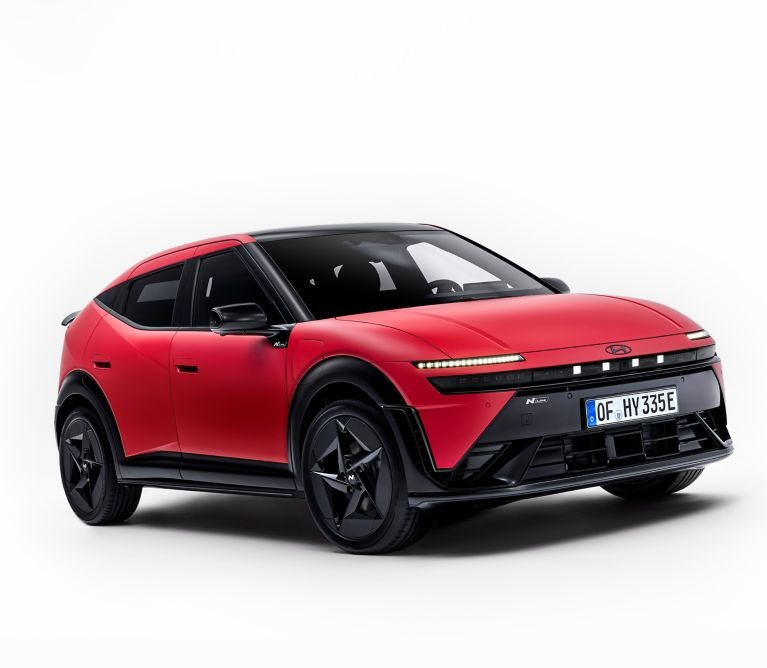
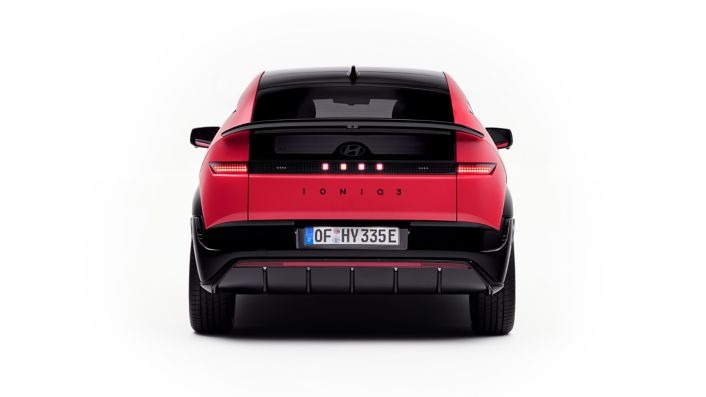
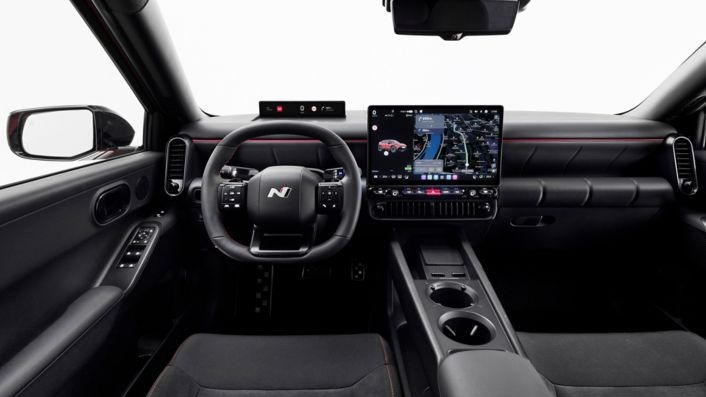
The Hyundai IONIQ 3 is already orderable in Germany from €28,950. Its compact hatchback body uses a 400-volt architecture and 42.2 or 61 kWh batteries, with current European ranges of 344 and 497 km. The detailed technical table assigns 29 minutes to the smaller battery’s 10–80% charge and 30 minutes to the larger one. German order opening; Current range figures; Variant-specific technology.
Its new Pleos Connect system shows that digital development is not exclusively a Chinese strength. Storage also needs careful reading: the 441-litre total comprises a 322-litre main boot and a 119-litre underfloor compartment. Their shape matters more than the combined number when loading bulky luggage.
Japanese brands: different routes to electrification
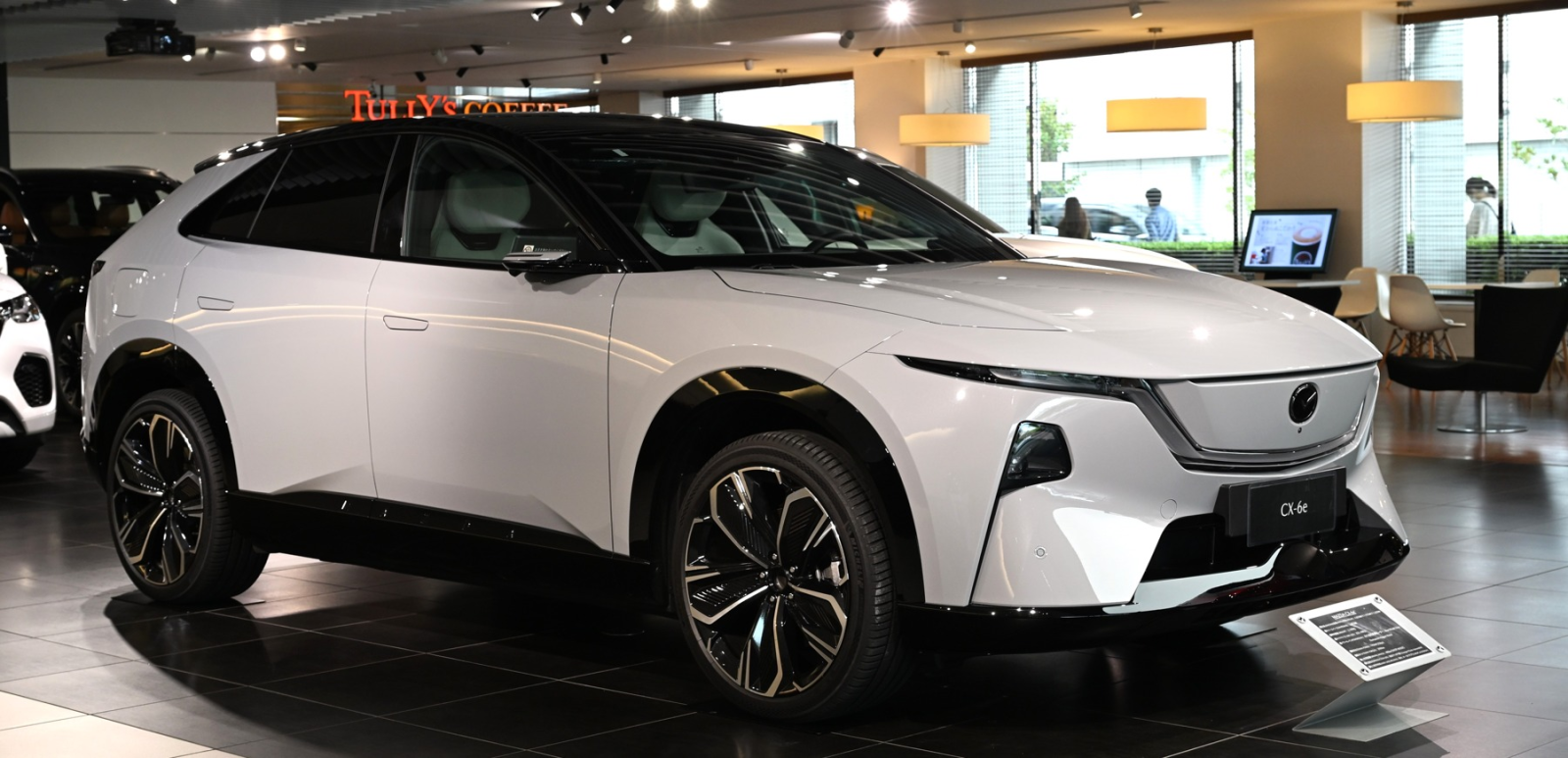
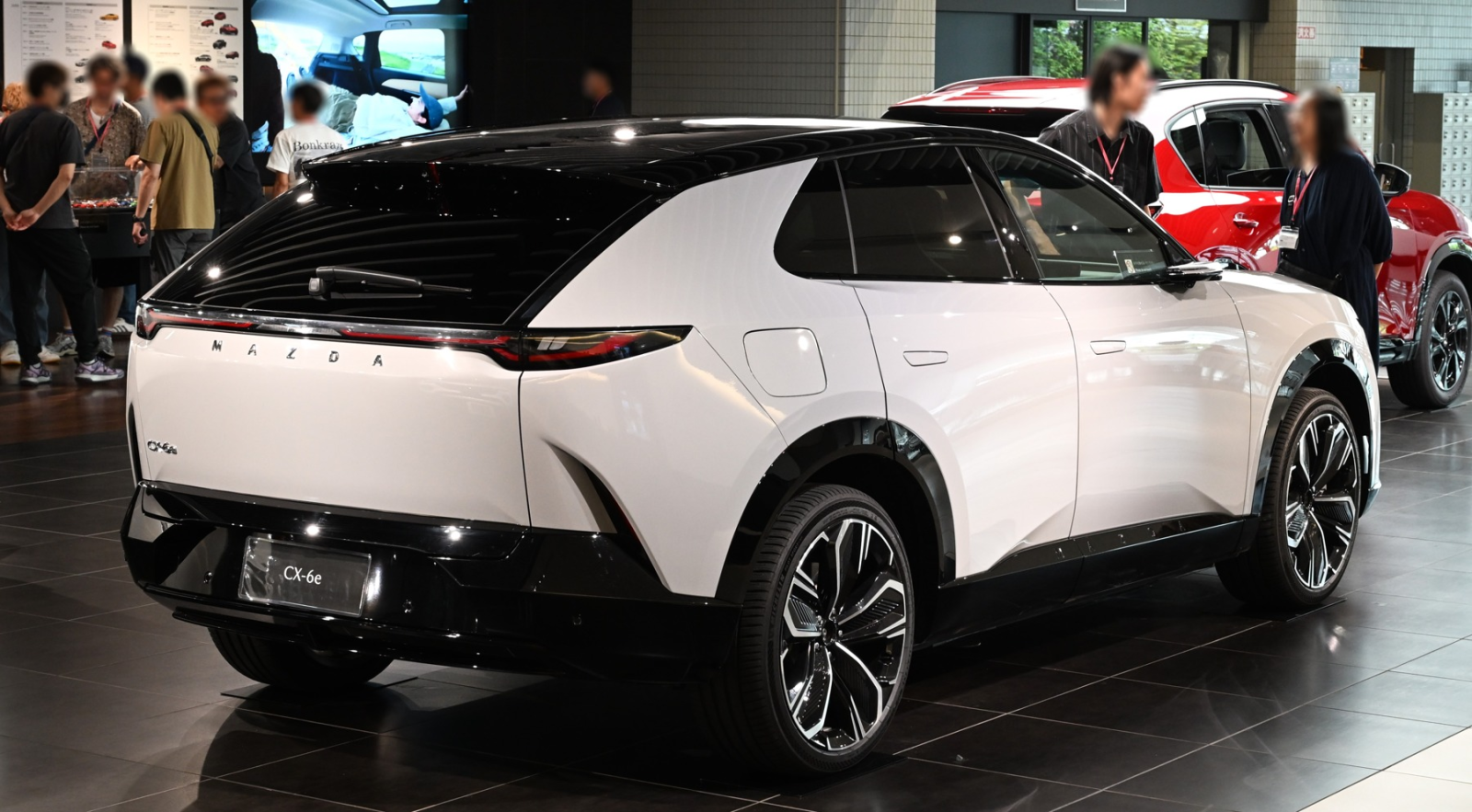
The Mazda CX-6e illustrates the limits of national labels: a Japanese brand using an electric vehicle developed with Changan. Mazda announced a summer 2026 continental European rollout and a late-year UK arrival. Alongside its 78 kWh battery and 26-inch display, the important questions concern the promised European chassis tuning and everyday usability. Those need assessment in the car, rather than inference from its badge. The partnership; UK introduction and technology.
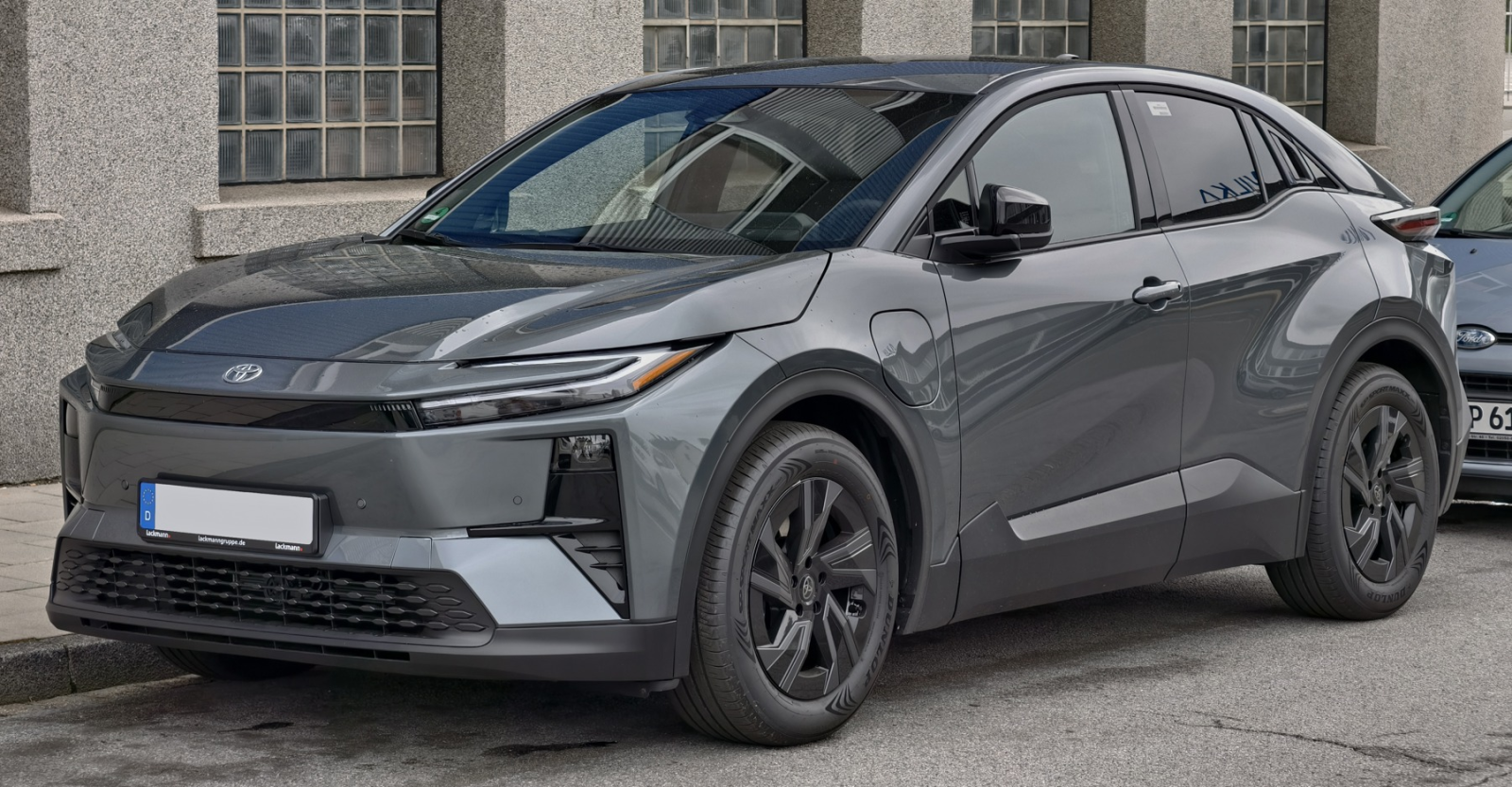
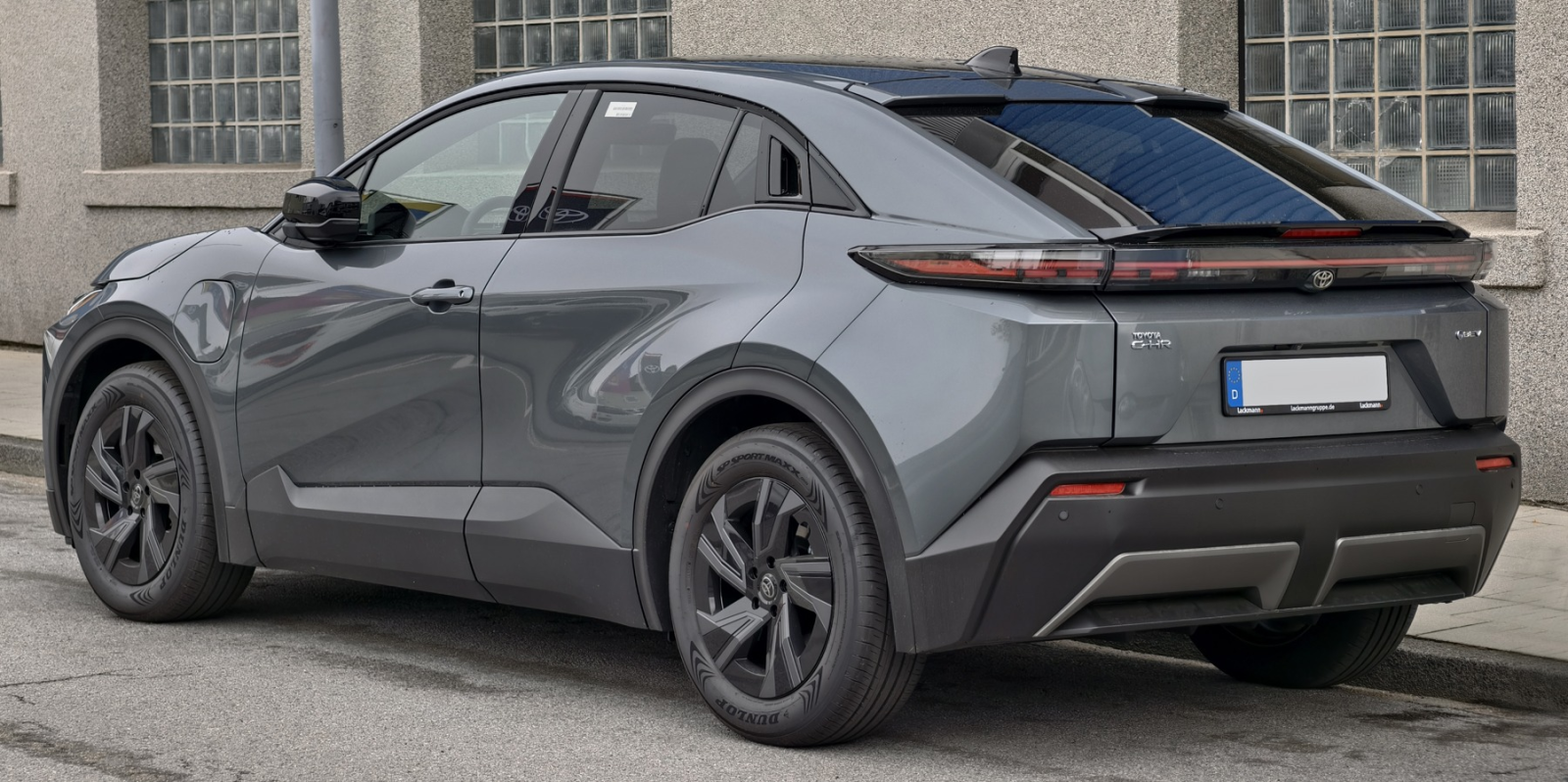
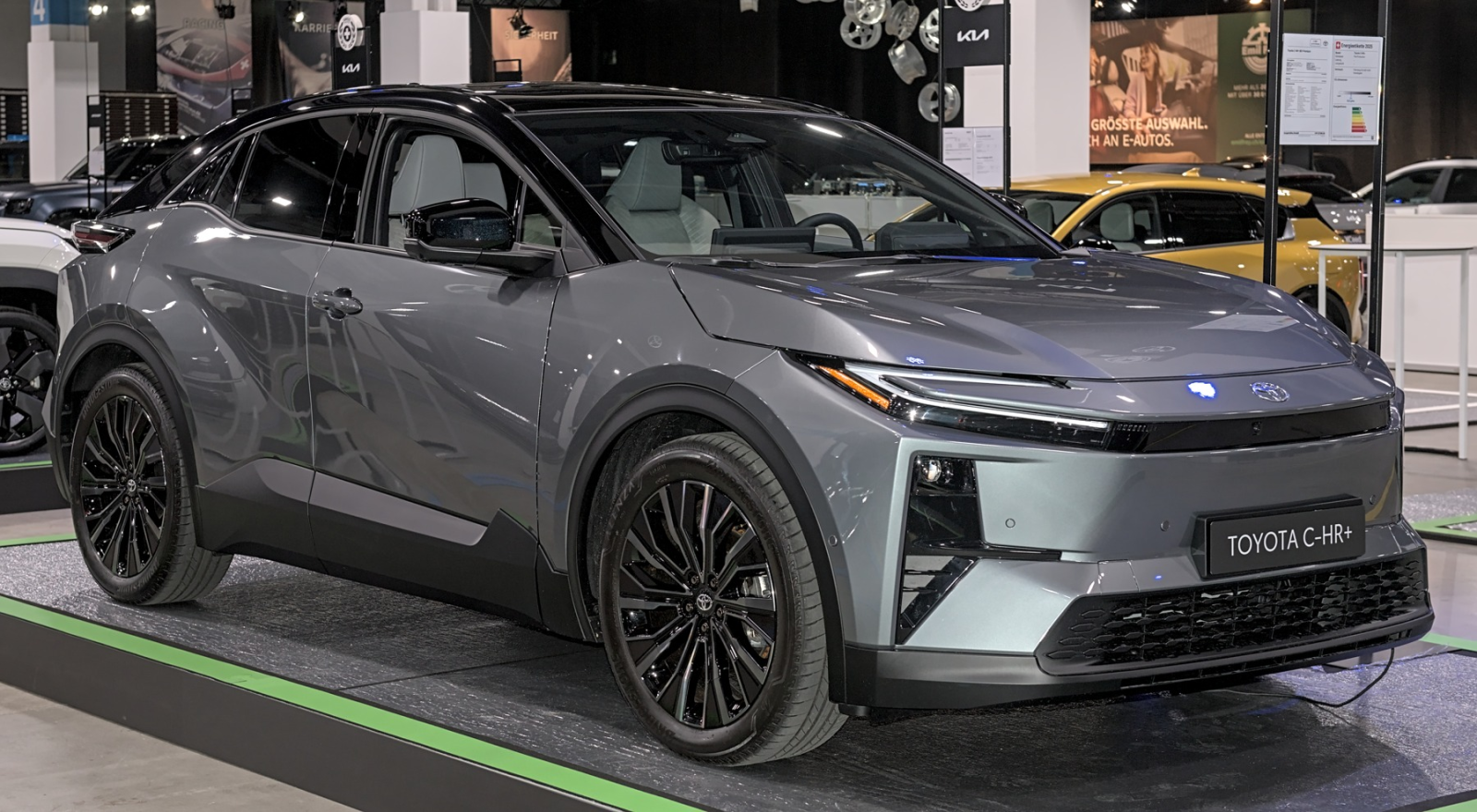
The Toyota C-HR+ is a separate BEV, rather than an electric trim of the familiar hybrid C-HR. Its 77 kWh front-wheel-drive version on 18-inch wheels offers up to 607 km WLTP; the quoted 10–80% charge takes 28 minutes. For buyers, it represents a different balance between range, charging speed and an established retail environment. That is a difference in use case, not an overall technology ranking. European specifications.
Comparison: keep the version consistent
These are manufacturer figures under favourable conditions, not results from a shared road test. All ranges use WLTP and every charging time covers 10–80%; Denza’s different 10–97% FLASH claim is kept separate. Small cars and large SUVs are not direct rivals: the table illustrates technical differences. BMW provides a European reference point.
| Version | Manufacturer battery figure, kWh | Maximum WLTP range | DC 10–80% |
|---|---|---|---|
| XPENG G9L RWD Long Range Ultra | — | 591 km* | 11.7 min* |
| Zeekr 7GT Business Edition RWD | 75, gross | 519 km | 13 min, manufacturer target |
| Zeekr 7GT Long Range RWD | 100, gross | 655 km | 16 min, manufacturer target |
| Kia EV2 Long Range | 61 | 453 km | approx. 30 min |
| Hyundai IONIQ 3 Long Range | 61 | 497 km | approx. 30 min |
| Toyota C-HR+ 77 kWh FWD, 18” | 77, gross | 607 km | 28 min |
| BMW iX3 50 xDrive | 108.7 | 806 km | 21 min |
*G9L figures retain the final-homologation caveat. The battery column is not a uniform usable-capacity comparison: gross or usable is identified where established. A dash does not mean zero. Range depends on equipment and wheels; charging needs suitable infrastructure, temperature and battery preparation. Sources: XPENG, Zeekr, Kia, Hyundai charging, Hyundai range, Toyota, BMW.
Where Chinese EVs are strong
1. Battery-industry scale. The IEA reports that China produced more than 80% of the world’s battery cells in 2025. Large production runs, concentrated supply chains and intense domestic competition can support lower costs and faster development. This is an industrial advantage, not proof that every Chinese vehicle has a superior battery. IEA Global EV Outlook 2026.
2. Charging technology and equipment. The G9L and 7GT illustrate short manufacturer charging times that could deliver real value. Generous comfort equipment can also be persuasive when it is included in the actual configuration. The advantage must be checked against a final quotation meeting the same needs, rather than by counting screens.
3. Rapid digital development. Remote updates, apps and connected services have become important competitive dimensions. The IEA describes this as an industry-wide transition. Some Chinese newcomers build their appeal around it, but useful European execution also requires effective local language support, navigation, charging integration and customer assistance. A function demonstrated in China is not automatically included in the export car. The software-defined vehicle transition.
Where European cars can retain an advantage
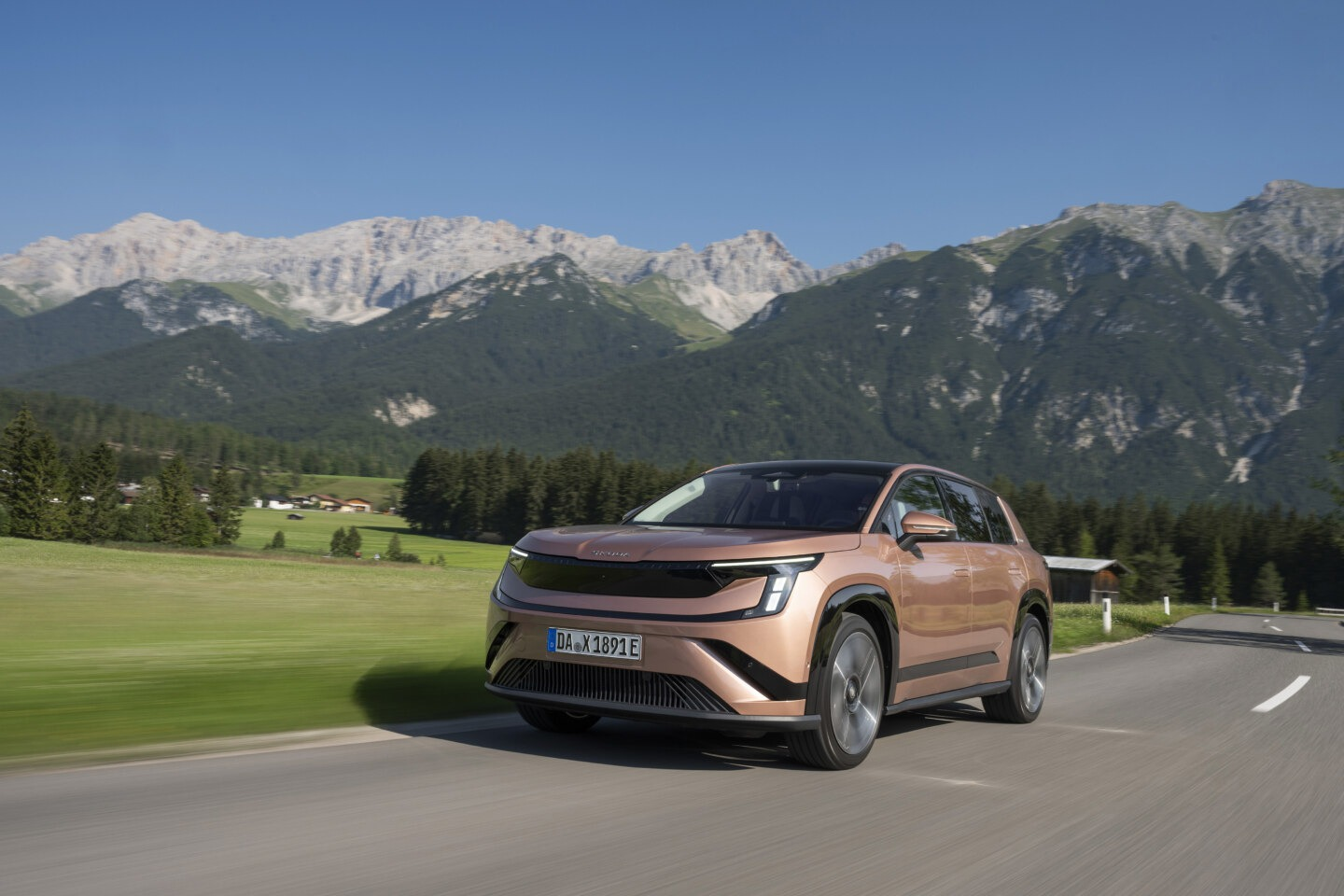
Efficiency and integrated winter operation. In ADAC’s 2026 winter programme, the BYD Sealion 7 Excellence AWD achieved 293 km and consumed 35.3 kWh/100 km. The smaller rear-wheel-drive Škoda Elroq 85 achieved 315 km and 25.5 kWh/100 km in the same programme. A 20-minute charge restored 161 and 167 test kilometres respectively. BYD test sheet; Škoda test sheet.
This is not a matched comparison of identical size and drivetrain, or a verdict on entire countries. It does demonstrate why a larger battery and high peak charging power do not necessarily make a better winter touring car. Consumption determines how far the replenished energy takes you.
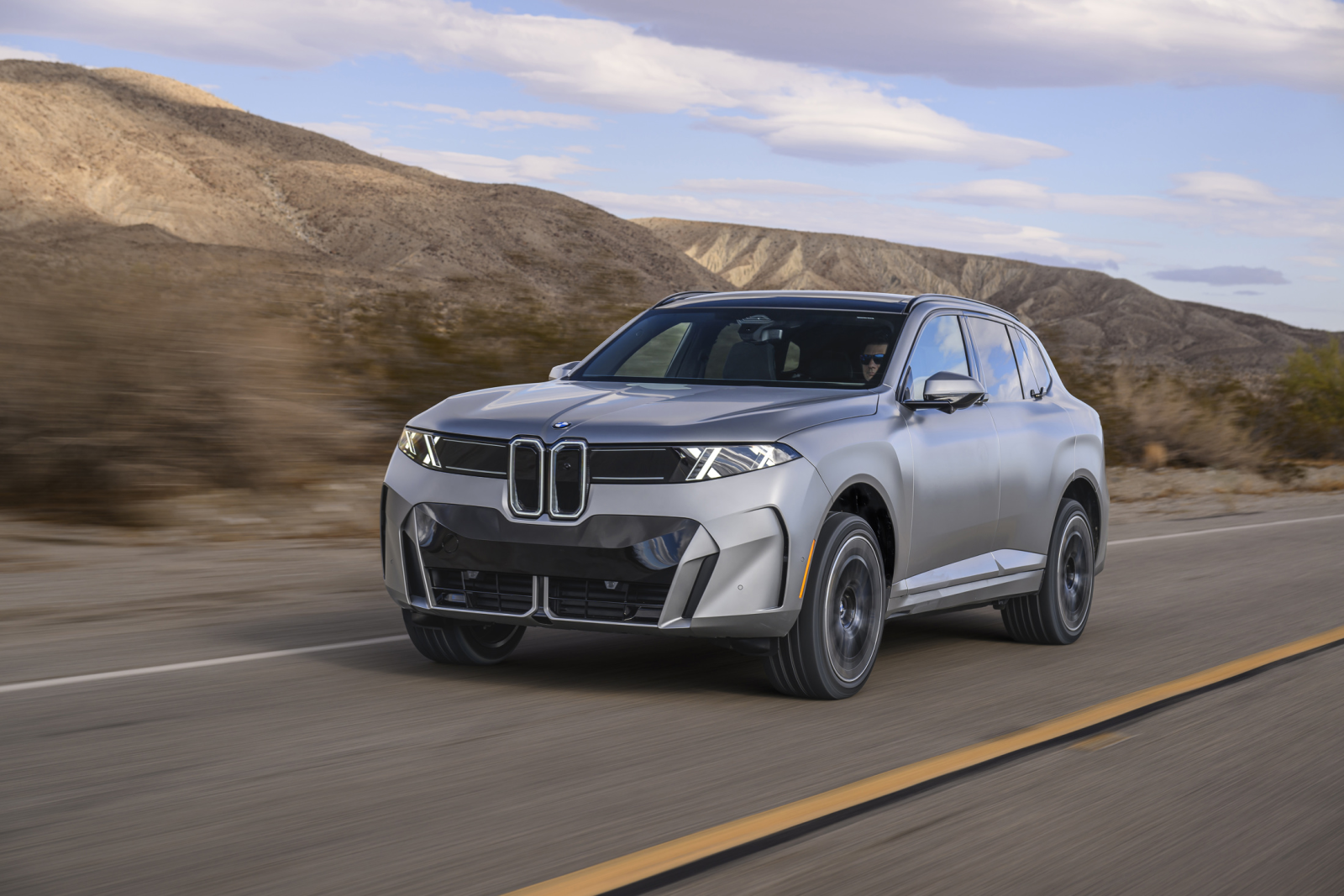
European engineering is advancing too. The new BMW iX3 50 xDrive combines 800 volts, up to 400 kW DC and a 21-minute 10–80% charge; the current German page lists 666–806 km WLTP. This is not an affordable-small-car counterexample, but it shows that high-voltage technology is not a Chinese monopoly. Its 108.7 kWh battery and different size also mean charging minutes alone cannot establish overall value. Current BMW specifications.
Driver assistance depends on the exact system. In Euro NCAP’s 2025 assessments, the relevant Renault 5 and Kia EV3 systems earned “Very Good”, XPENG G9 “Good” and Volvo EX30 “Moderate”. Software updates raised the older 2022-model-year BYD ATTO 3 to “Moderate”, while the 2025 car’s new system earned “Good”. The evidence includes European strengths, Chinese improvement and a European counterexample. These are assistance gradings, separate from crash-test stars. Assistance gradings; ATTO 3 improvements.
A blanket claim of inferior Chinese safety is unsupported. The Zeekr 7X scored 91% for adult protection and 90% for child protection in its 2025 Euro NCAP assessment. Those results must not be transferred to the 7GT or another brand: model, year and equipment matter. Equally, planned G9L NGP functions are not treated as self-driving capability available today; the manufacturer describes a 2027 rollout subject to approvals. Zeekr 7X assessment; NGP conditions.
New entrants still have to establish dependable ownership support. Nearby repairs, parts, replacement vehicles and insurability all belong in the ownership calculation. Changan, for example, describes European parts hubs and network expansion. That is relevant progress, but a manufacturer network target is not measured repair performance for a particular local customer. Support and network plans.
There is no defensible single national ranking here for resale values or ten-year durability. Limited local used-car history creates uncertainty rather than proving poor quality. Our editorial judgment is that an actual guaranteed-buyback quotation, insurance offer and finance contract are more useful than a broad prediction attached to a badge.
Strengths and unresolved questions at a glance
| Dimension | Strength in the Chinese offering | What still needs checking? |
|---|---|---|
| Charging | Some models quote exceptionally short charging times. | Charging curve, cold batteries, local chargers and matching state-of-charge windows. |
| Price and equipment | Some packages include extensive comfort equipment. | Final local price for equivalent size, battery and features; no domestic-China price conversion. |
| Digital experience | Rapid development and many connected functions. | Local language, phone integration, route planning and functions actually enabled. |
| Efficiency and chassis | There is no uniform Chinese or European result. | Comparable independent testing and a personal test drive. |
| Safety | Specific Chinese models achieve strong NCAP results. | Model year, equipment, separate crash and driver-assistance assessments. |
| Ownership | An expanding European presence. | Local repairs, parts, warranty terms and residual-value exposure. |
How to turn the shortlist into a local buying decision
Start by deciding whether you need a car now or can wait for a launch. Then request a country-specific quotation. A model offered in the Netherlands may not have the same price, trim or support arrangement elsewhere; a UK timetable does not establish an EU-wide timetable. The figures below illustrate clearly identified local offers, not a continent-wide cheapest-car ranking.
| Local model example | Published starting price | Market / scope |
|---|---|---|
| Hyundai IONIQ 3 entry Select | €28,950 | Germany; entry battery, not the 497 km version. |
| Zeekr 7GT Business Edition RWD | €45,990 | Netherlands; 75 kWh, not the 655 km Long Range. |
| XPENG G9L entry version | €74,600 | Germany; market-specific configuration. |
Sources: Hyundai Germany; Zeekr Netherlands; XPENG German launch price. These are different classes and local offers. Options, delivery charges and national conditions can change the final transaction. Currency conversion does not turn a foreign advertised price into a local quotation.
Compare the same practical requirements: battery, heat pump, AC charger, assistance package, warranty and support. A lower advertised price can reflect a smaller battery or conditional discount; a higher price may or may not include equipment you actually need.
What to check in the car and the quotation
- Charging: have the car plan a real route with charging stops and check when battery preconditioning activates. Total stop time and recovered distance matter more than peak kilowatts.
- Usability: try climate controls, demisting, speed-limit recognition and lane assistance on local roads. A warning that can be disabled is not equivalent to an assistance system that works well.
- Space and ride: bring your child seats and luggage and include rough roads. Screens and seat massage cannot substitute for appropriate suspension behaviour.
- Ownership: obtain written local warranty terms, repair locations, insurance quotations and replacement-mobility arrangements. A long warranty and a fast repair are separate benefits.
- Future features: do not value an unavailable update or automated-driving promise as though it were an active service today.
EVTopic’s assessment
Some Chinese manufacturers are already setting a demanding pace in charging speed, battery-industry capability and the technology offered for the money. European advantages can remain tangible where a specific model is more efficient, more polished or supported by a more predictable local ownership experience. Korean and Japanese alternatives are particularly useful because they show why this is not a contest between two uniform camps.
The next milestones to watch are G9L and L03 deliveries, the Q05’s European specification, the B03’s final local offer and Xiaomi’s actual sales launch. The strongest purchase is the complete car-and-support package that fits the owner’s use, rather than the nationality on the badge.
Sources32
- XPENG: European G9L launch, 12 October 2026
- XPENG Switzerland: G9L European premiere and first deliveries
- XPENG Poland: G9L launch details and German price
- XPENG Switzerland: L03 battery-electric variants
- XPENG Switzerland: L03 customer deliveries in Q4 2026
- Leapmotor: Paris 2026 European growth and B03 premiere
- Changan: European product and service roadmap, 14 October 2026
- Xiaomi Auto: official global website
- Xiaomi: German dealer memoranda and 2027 European entry
- Zeekr Netherlands: 7GT specifications and prices
- Denza: Z9GT European product introduction
- Denza Z9GT European specification sheet
- Denza: Swiss launch, 26 August 2026
- Kia Hungary: EV2 model details
- Kia Hungary: EV2 price list, effective 13 October 2026
- Kia Sweden: EV2 launch and Slovak production
- Hyundai: IONIQ 3 European introduction and technical table
- Hyundai Europe: IONIQ 3 range and charging
- Hyundai Germany: IONIQ 3 orders open
- Mazda: CX-6e global premiere
- Mazda UK: CX-6e European and UK introduction
- Toyota Europe: C-HR+ specifications
- Toyota Hungary: C-HR+ preliminary price list
- IEA: Global EV Outlook 2026, executive summary
- ADAC: BYD Sealion 7 Excellence AWD, winter range test 2026
- ADAC: Skoda Elroq 85, winter range test 2026
- Euro NCAP: BYD ATTO 3 assistance improvements
- Euro NCAP: assisted-driving gradings
- Euro NCAP: Zeekr 7X 2025 assessment
- BMW Germany: new iX3 specifications
- XPENG: downloadable press image library
- Hyundai Newsroom: terms of use